How to design a residential building in the AMB
There’s a conversation we have almost every week in the studio. A developer arrives with a very clear mental sketch: how many floors, what kind of facade, the zoning regulations. And the first thing we do, before even starting any program, is go out and see the site together. Because in the Barcelona Metropolitan Area (AMB), the site speaks to you. And if you don’t listen to it at the beginning, it screams at you when you’ve already spent six months on a multi-family building project that doesn’t fit.
The solar rules
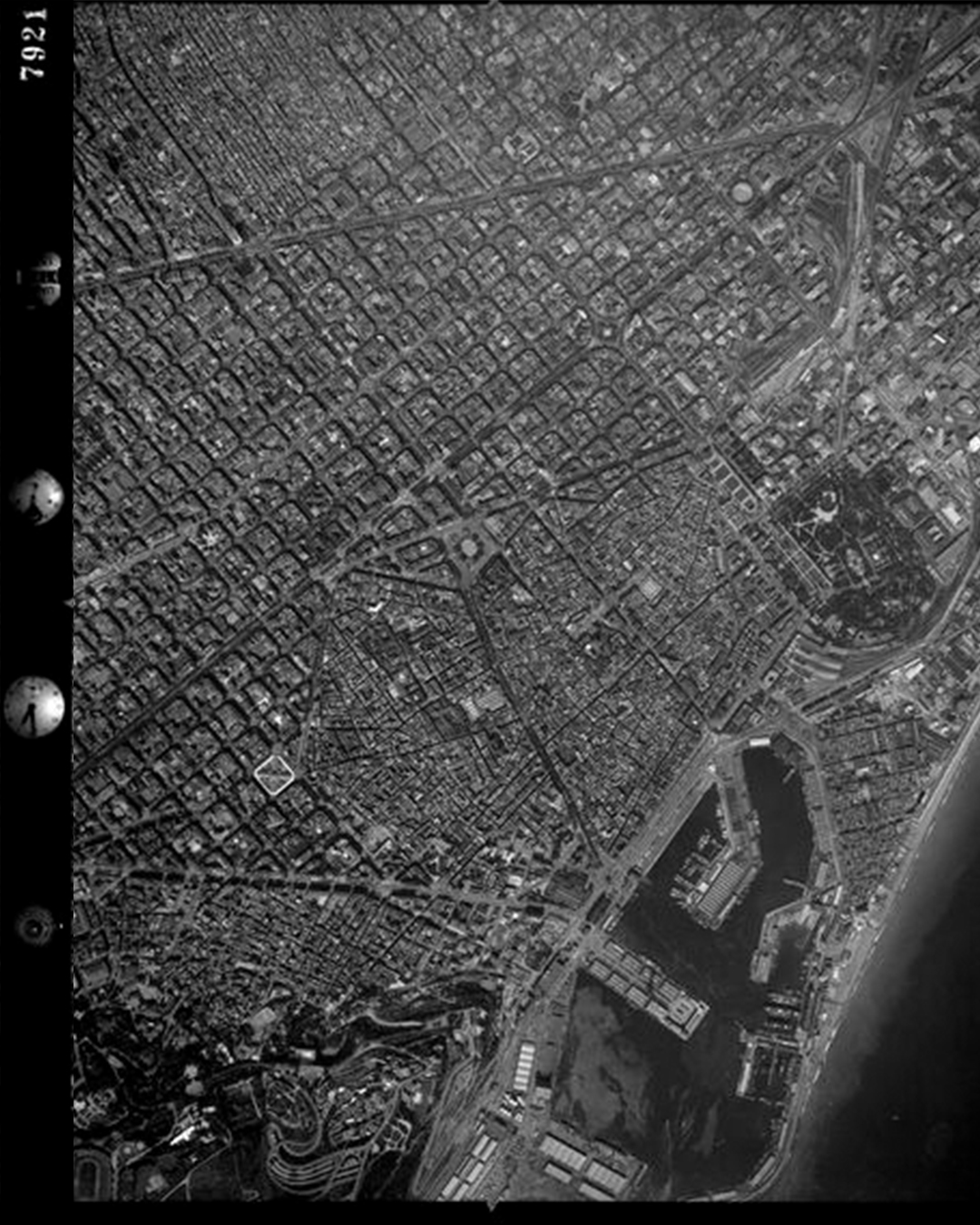
This is not a metaphor. A building plot between party walls in a historic area of Badalona has a completely different logic than a detached building plot in the Baix Llobregat region. In one, the challenge is to bring in natural light. In the other, perhaps the problem is exactly the opposite: too much exposure to sunlight or north-facing facades that don’t capture solar energy unless addressed in the initial design. Orientation, topography, prevailing winds, the shadow cast by the building opposite in December…
All of these factors influence the building’s design, and we decide on them before choosing whether the facade will be brick or cross-laminated timber.
Urban planning regulations are not the enemy
The PGM (Metropolitan General Plan) is a dense document, seemingly tedious, but absolutely crucial for any housing project in the Barcelona metropolitan area. When we conduct the urban planning consultation at the outset (a step we’ve seen some developers skip to save time), we’re actually saving months. We’ve seen projects reach the basic design stage with incorrectly calculated building volumes from the very beginning. It’s not pleasant to tell the client that at that point.
The phases of the project
The actual process for designing a residential building has five important stages:
- Preliminary study and urban planning consultation. We verify that what the client envisions is legally possible. This is the step most often skipped, and the most expensive to skip.
- Preliminary design. This is where we, as architects, take a gamble: volume, how the apartments fit together, the building’s character. This is the real creative moment.
- Basic design. The document submitted for the building permit, which outlines everything the city council will review. Without this, construction cannot begin.
- Final design. The most thankless task to perform, yet the most important on-site: it prevents the builder from improvising and protects the budget.Construction Management. Where you discover if everything you planned made sense in practice or if unforeseen issues need to be resolved on the fly.
Licensing times in Barcelona and the surrounding municipalities are what they are: lengthy. A solid administrative strategy from day one isn’t a luxury; it’s what distinguishes a project that moves forward from one that gets bogged down.
The decisions that truly change the outcome
There are four factors that, in our experience, have a disproportionate impact relative to their cost:
- The type of housing. In today’s market, a rigid home that doesn’t allow for any future adaptations is an inflexible product for the user. Designing with built-in flexibility, without increasing the cost of the structure, is possible if planned from the outset.
- Energy efficiency. Since the CTE (Technical Building Code) was updated in 2022, constructing a nearly zero-energy building is no longer optional. But beyond the legal requirement, thermally well-designed buildings spend significantly less on heating and cooling: buyers now inquire about the energy rating before signing a contract.
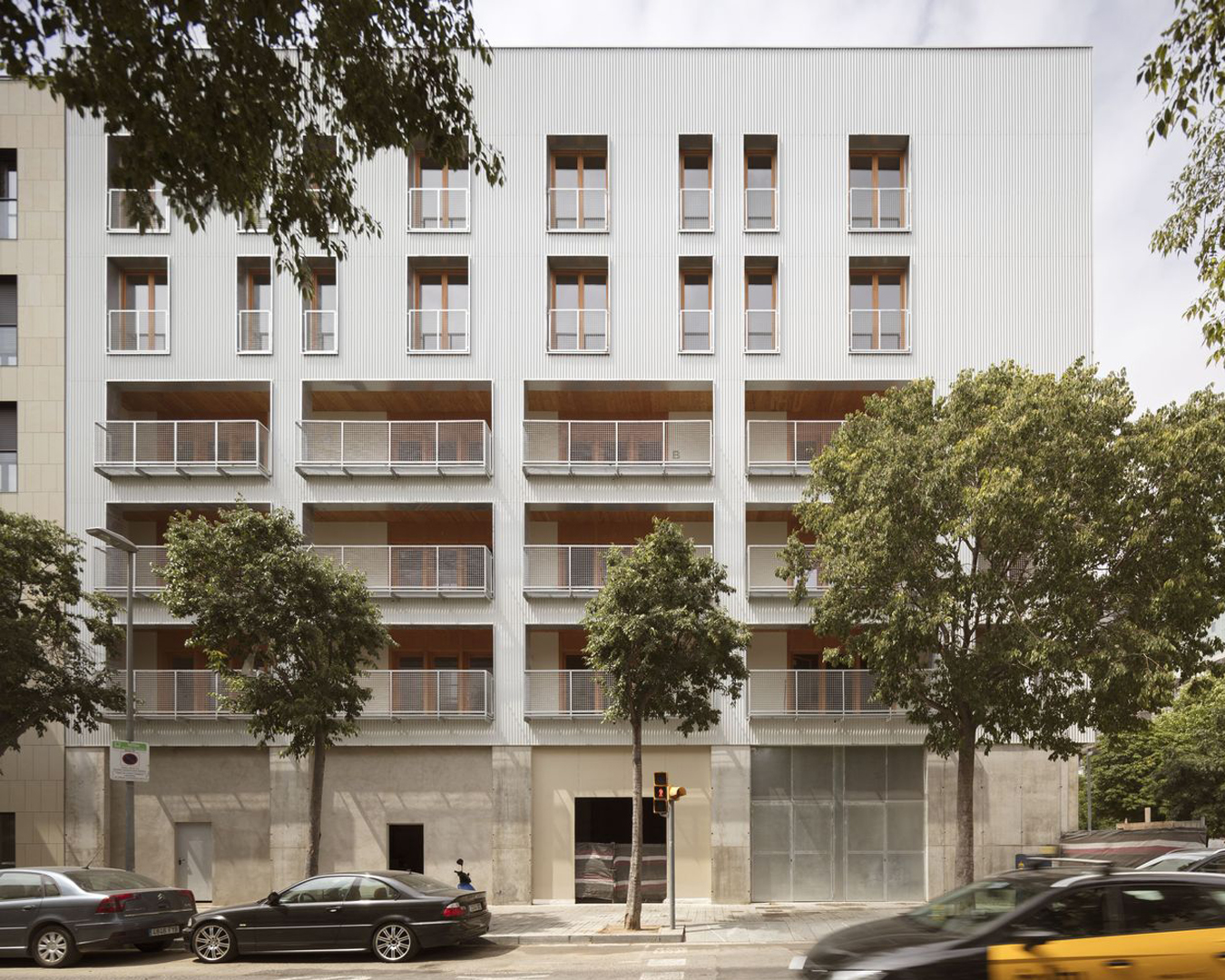
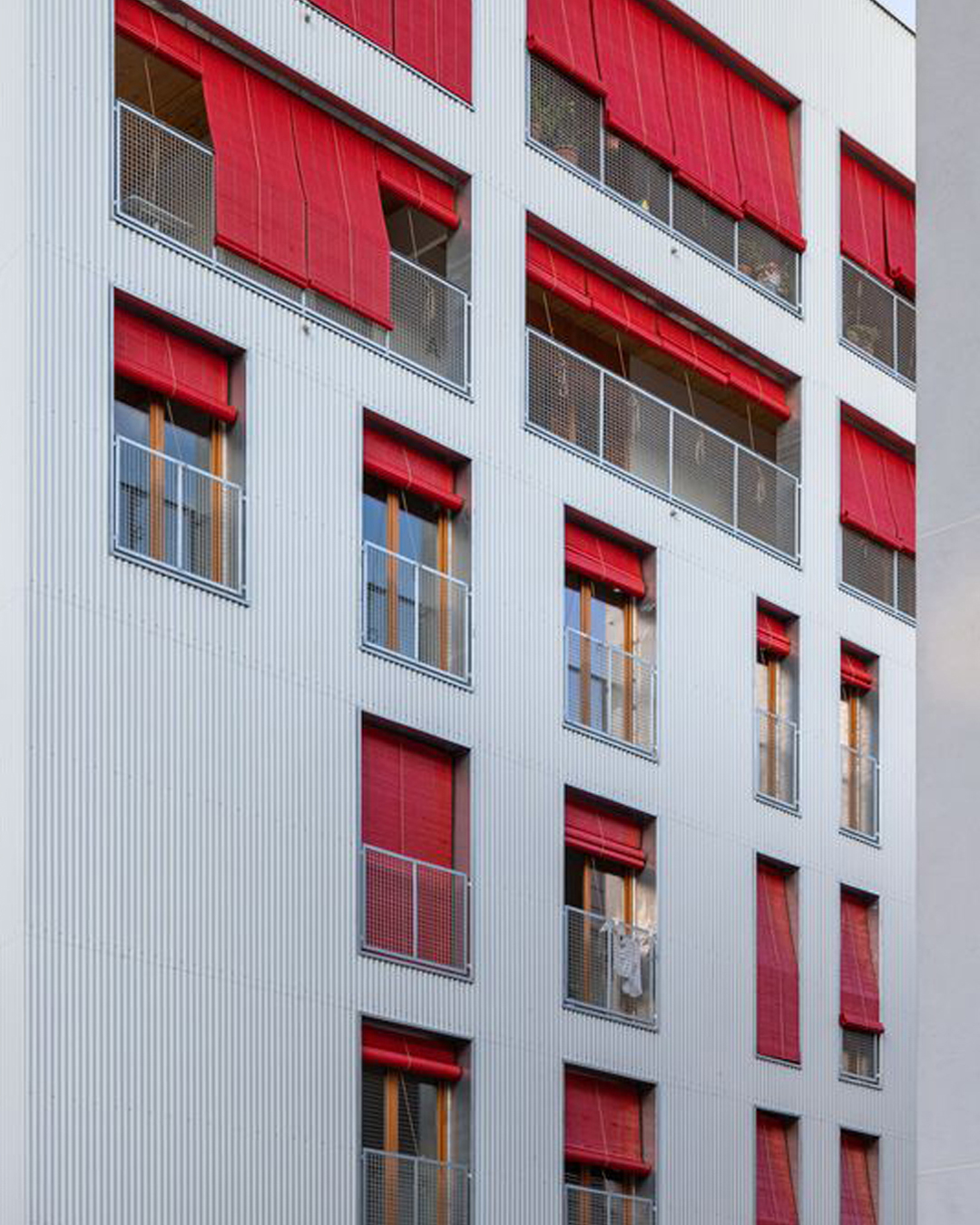
- The construction system. The choice between concrete, steel, or wood is not just aesthetic. It changes construction timelines, the carbon footprint, and, in some cases, the ability to build on sites with difficult access. At La Balma, in Poblenou, we used cross-laminated timber framing, a decision that influenced everything: the schedule, the final cost, and how the residents themselves perceive the building.
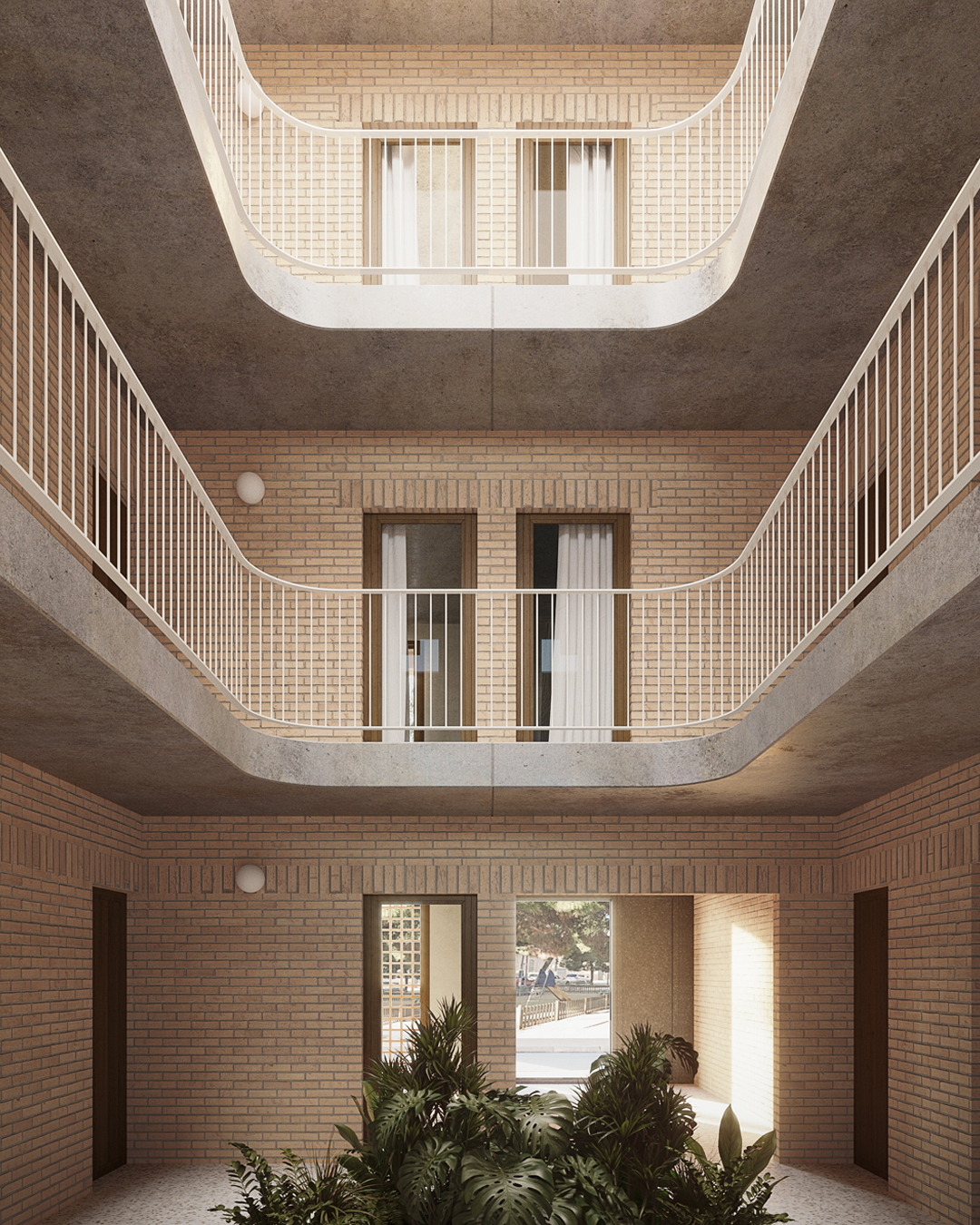
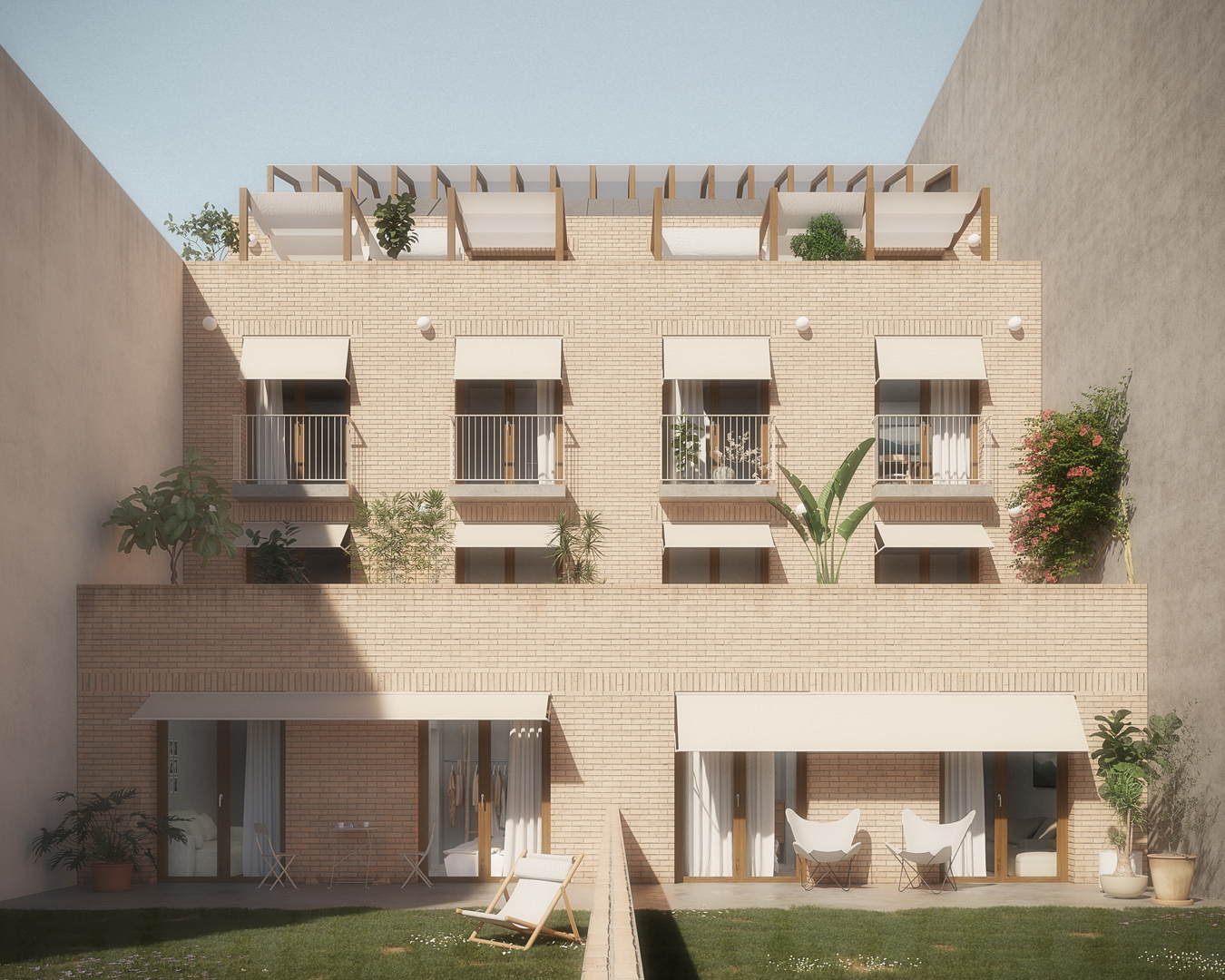
- Common spaces. This is what is most undervalued in the design phase and what most differentiates a generic building from one that people want to live in. A well-designed central courtyard is not a whim: it provides cross ventilation, light on the landings, and a place where neighbors meet and something happens. Our housing in Sabadell project demonstrates this: with an interior courtyard, we solved the problem of natural light on a plot between party walls that seemed complicated on paper.
Why designing in the AMB has its own logic
The density of the metropolitan area necessitates solutions that wouldn’t be required in other contexts. Narrow plots between party walls are the norm, not the exception. Coordination with different city councils (each with its own technicians, criteria, and deadlines) is part of the daily work. And understanding what users in Mollet del Vallès are looking for is not the same as understanding what they’re looking for in the Eixample district: they are different places that demand different buildings and architecture.
You don’t learn that by reading manuals. You learn it by managing permits, talking to developers who know their neighborhoods, and making mistakes along the way.
What to look for in an architecture studio
Don’t look for the studio with the most photogenic portfolio. Look for one that understands the local planning regulations for the municipality where your plot is located, that has previously obtained permits from that city council, and that won’t sell you a spectacular design that’s impossible to execute within your budget. And one that understands that a home, ultimately, is the place where someone will spend their life. That deserves to be taken seriously.
If you have a plot of land or a project underway in the Barcelona area, we’d love to review it with you from the very beginning..