Participation in EcoConstruir 2026
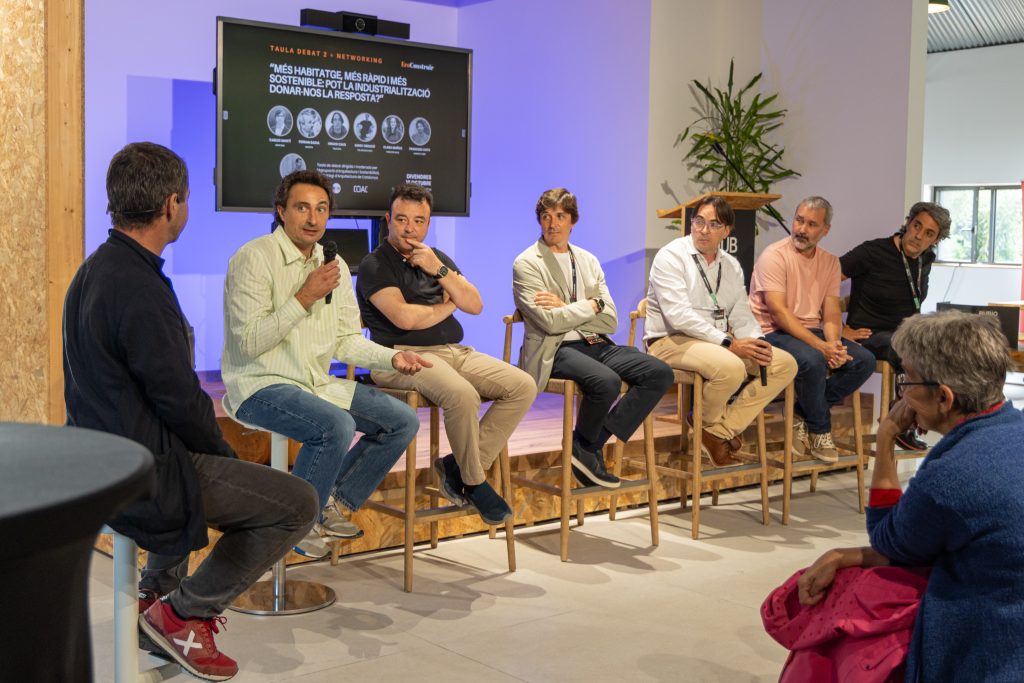
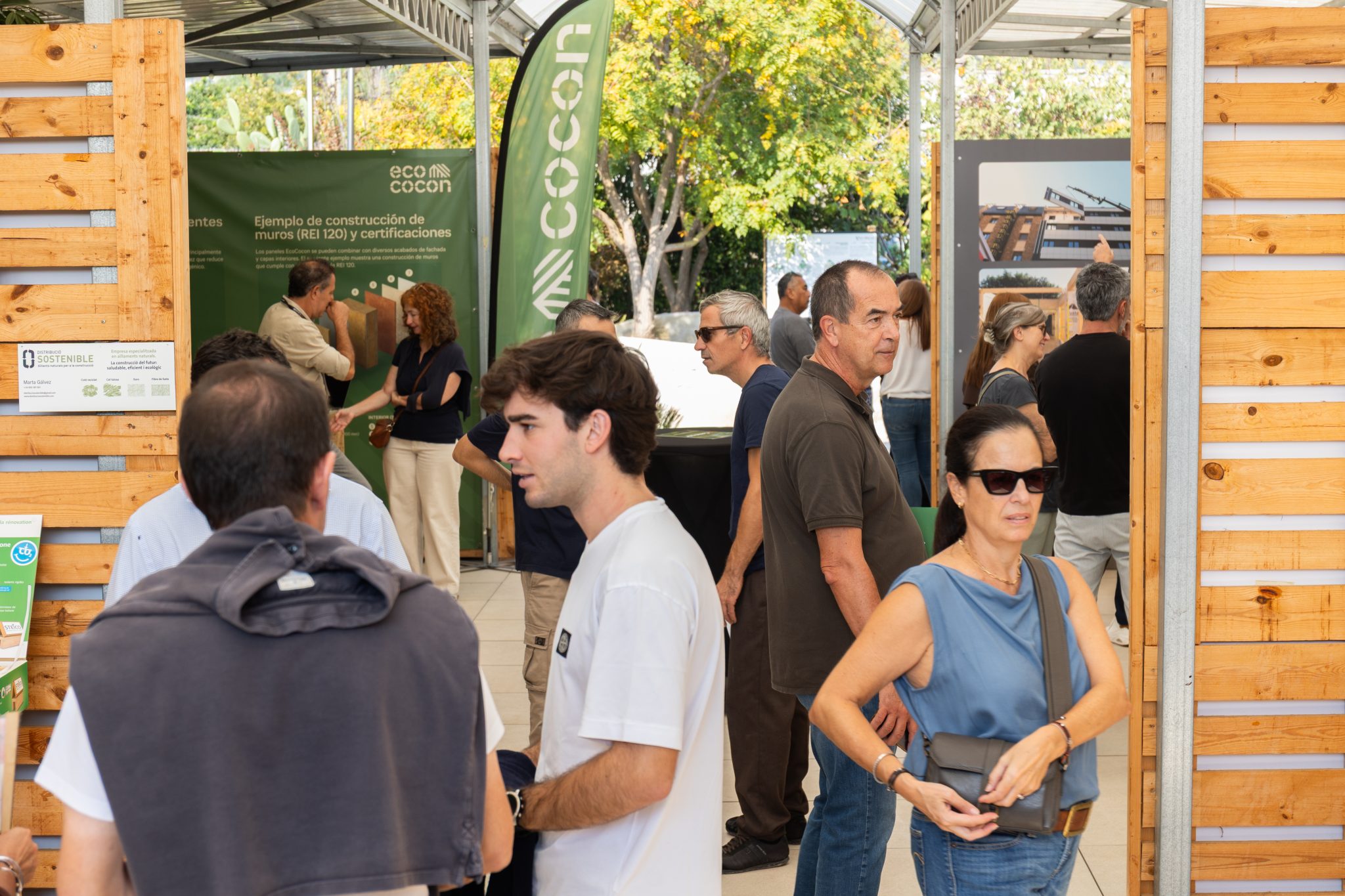
On October 16th, Alfons Tornero, representing Laboqueria Arquitectura, participated in EcoConstruir 2026—a gathering held at EcoHUB in Cabrera de Mar—which focused on the challenges of sustainable construction, industrialization, and innovation in construction processes.
Under the theme “More housing, faster and more sustainable: can industrialization provide the answer?”, the event brought together industry professionals to reflect on the role of industrialized systems in the transformation of the construction sector. Among the topics discussed, the importance of assessing the environmental impact of materials and construction processes—beyond just the built surface area—was a key highlight.
The program combined panel discussions, project presentations, and case studies, alongside networking opportunities for architecture firms, manufacturers, and specialized professionals. It also explored the potential of industrialized timber and other low-environmental-impact construction solutions, as well as alternative foundation methods and construction systems designed to optimize building processes.
At Laboqueria Arquitectura, we do not view construction systems as an isolated decision. Choosing how we build entails simultaneously evaluating materials, the resources they require, their environmental impact, and the comfort and health conditions for the people who will use the spaces. For this reason, we are interested in industrialization—not only for its ability to optimize construction processes, but also for the possibilities it offers when combined with low-impact materials and an architecture that is attentive to its context.
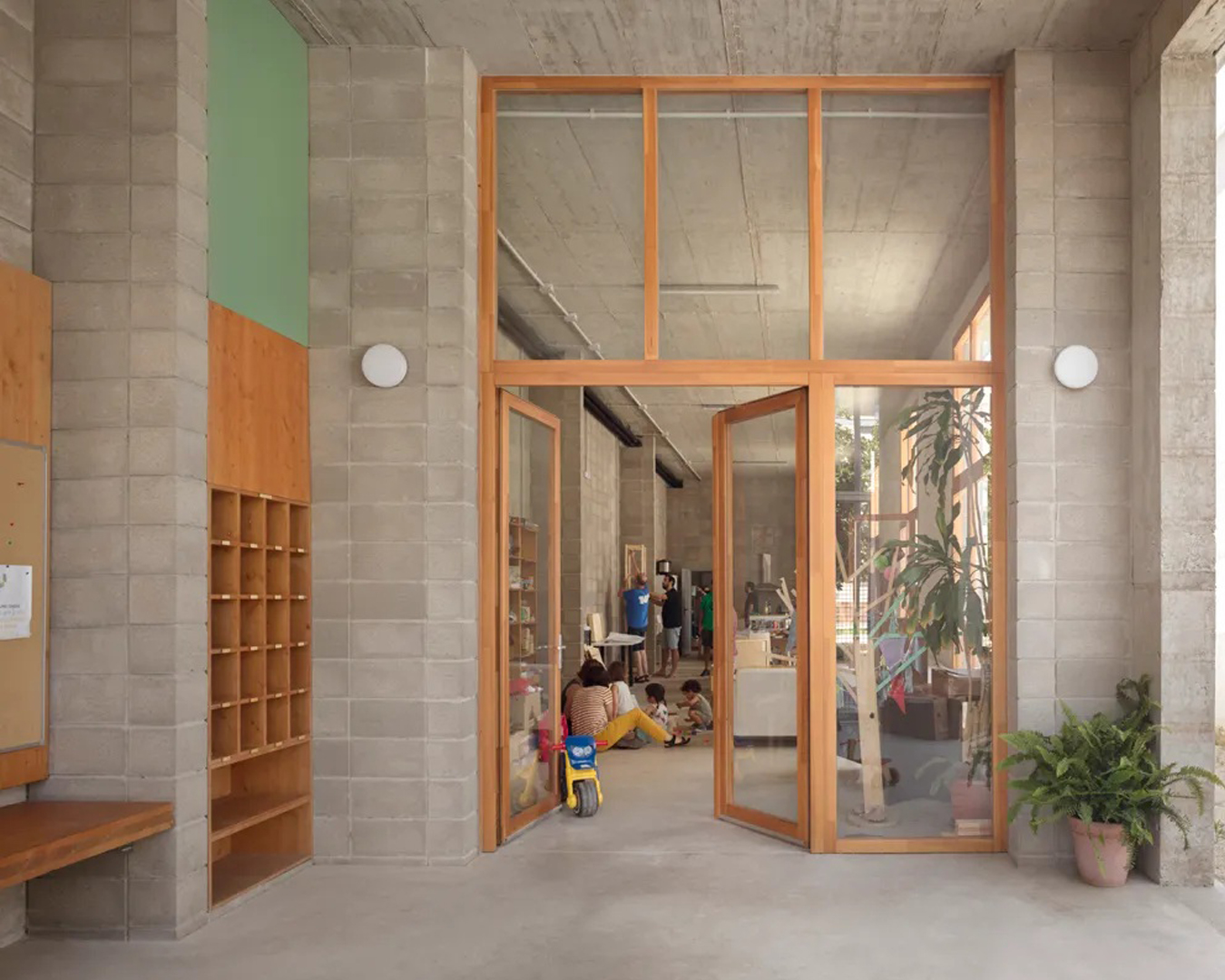
This approach to architecture is reflected in projects such as the La Balma cooperative housing development—created in collaboration with LaCol—which exemplifies the potential of cooperative housing based on the “right-to-use” model. Rooted in collective ownership and the right to use, this model offers an alternative to the conventional housing market, placing the community and individual human needs at the heart of the project.
The building combines a cross-laminated timber (CLT) structure with shared spaces and a residential model based on collective ownership and the right to use. La Balma demonstrates that addressing the housing challenge is not merely a matter of building faster or using more efficient systems; it also requires exploring alternative ways to access housing and centering community life within the project.
In the current climate, we believe that cooperative housing is more essential than ever—a path that must continue to be championed. A building’s sustainability is also defined by the model of use it proposes, the relationships it fosters, and its capacity to address collective needs.

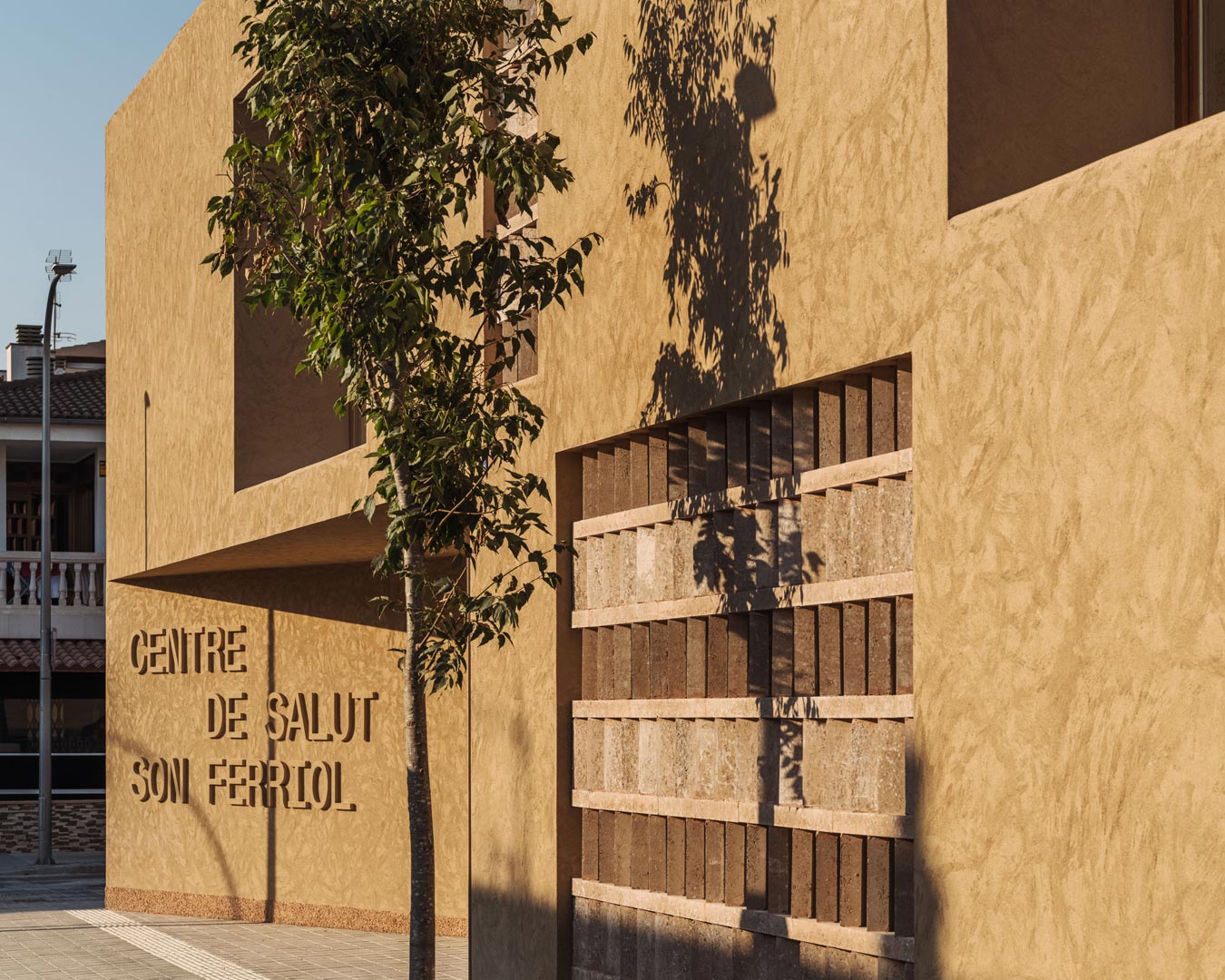
Another example is the Son Ferriol Health Centre, developed in collaboration with Munarq and completed in 2026. The facility features a cross-laminated timber (CLT) structure and combines industrialized solutions with a strong focus on natural light, ventilation, and comfort within the healthcare spaces. In this project, the selection of materials and the construction approach are part of a unified strategy to create care environments that consider both the people who use them and the resources consumed in their construction.
Participation in EcoConstruir 2026 reflects a commitment to ongoing knowledge-sharing and the exchange of practices with other industry professionals. The challenge lies not merely in the industrialization of construction, but in determining where such industrialization adds value—and how it can be harnessed to foster architecture with a lower environmental footprint, incorporating more conscientious material choices and spaces that better address human needs.