Strategies to generate resilient rural communities
The debate about “emptied Spain” or rural Catalonia tends to veer towards nostalgia or wrong short-term solutions. The usual thinking is that rural depopulation is solved simply by “attracting people”, as if towns were empty containers waiting to be filled. After years of research with the Repoblem project, our conclusion is different: repopulating is not a real estate act, it is a process of social and architectural engineering.
For a town to beat again, it is not enough for its houses to be open; their communities must be resilient. This means that the new inhabitant needs more than just a roof: they need a network of services, healthy housing and real integration into the pre-existing social fabric. The architecture must accompany throughout this process.
We want to approach repopulation as a comprehensive strategy that unites housing rehabilitation with social consulting. We do not limit ourselves to projecting reforms; We investigate the abandoned building stock to turn it into the engine that activates the local economy, training and employment. Repoblem is the technical and human response so that towns not only stop emptying themselves, but also learn to regenerate from within.
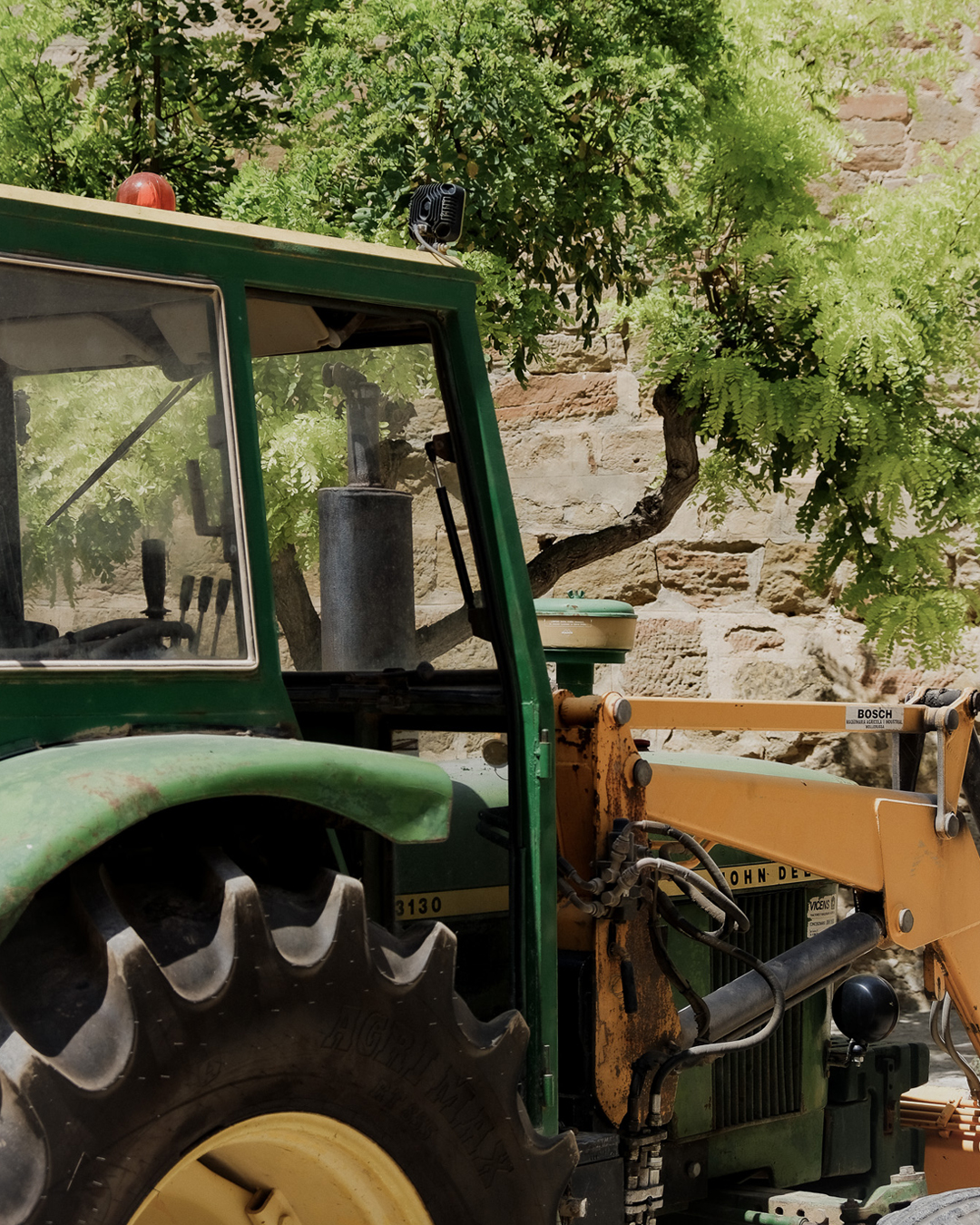
Repopulate as a social and non-real estate process
The great failure of many initiatives against rural depopulation is treating them as simple low-cost real estate developments. Cheap houses are offered, but the human fabric is forgotten.
At Laboqueria Arquitectura we focus on social consulting for three critical reasons:
The cohesion between the local and the new inhabitant: Repopulating does not consist of creating ghettos of people arriving from the city. Success lies in integration. We carry out participatory diagnoses to understand what the resident who has been in the town all his life needs and how the new inhabitant can add value (professional, social, cultural) to that existing network.
Identification of real needs: Not all rural homes are suitable for all families. Through consulting, we match the stock of rehabilitatable housing with profiles of inhabitants that really fit with the local ecosystem (teleworking needs, proximity to services, rural entrepreneurship projects).
Accompaniment in the establishment: Our transversal methodology offers accompaniment that goes beyond handing over the keys, ensuring that the establishment process is solid and that the inhabitant does not abandon the project after a few months due to lack of integration or unrealistic expectations.
For us, architectural rehabilitation and social consulting are two sides of the same coin. If the community is not rehabilitated at the same time as the walls, the repopulation project has no future.
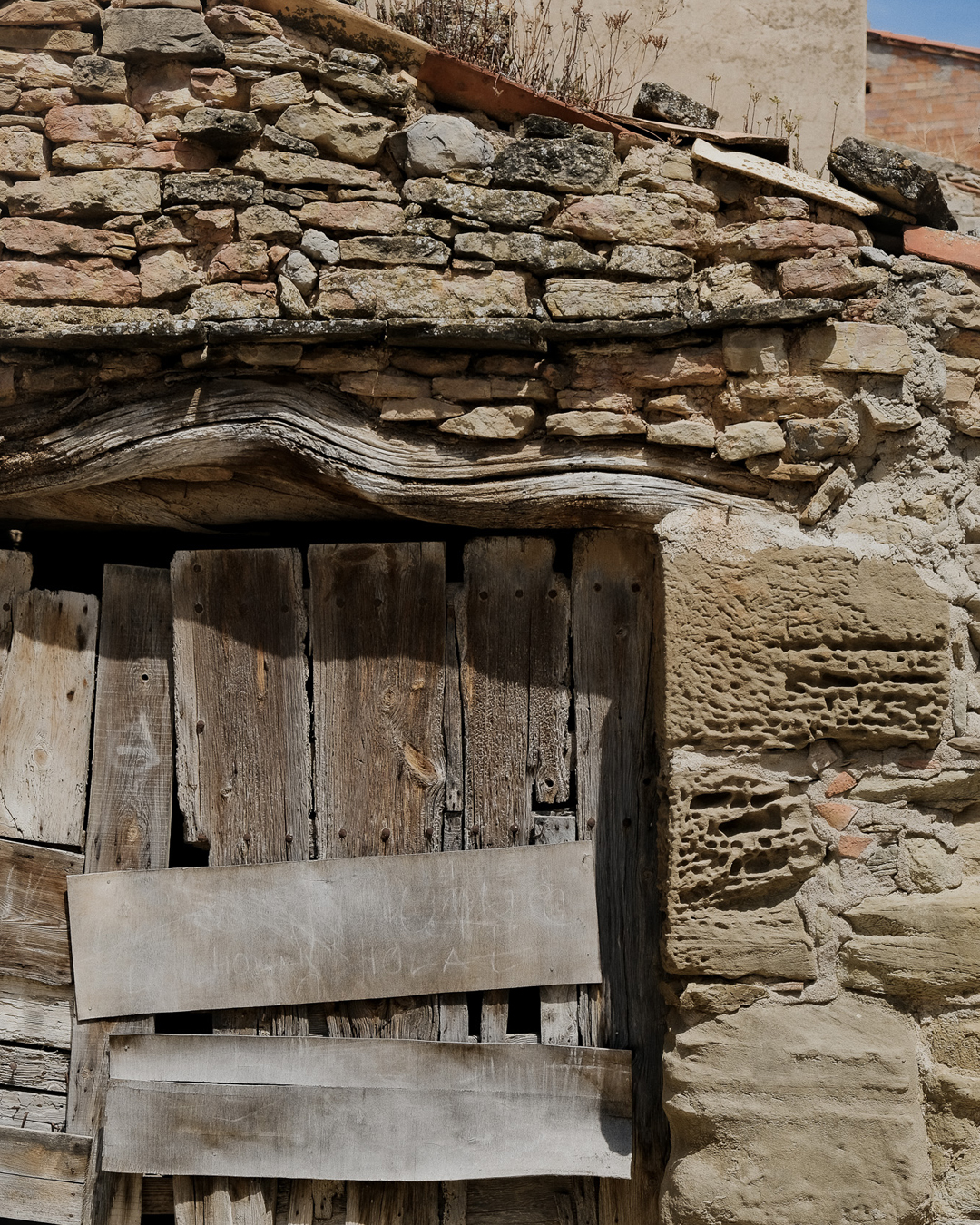
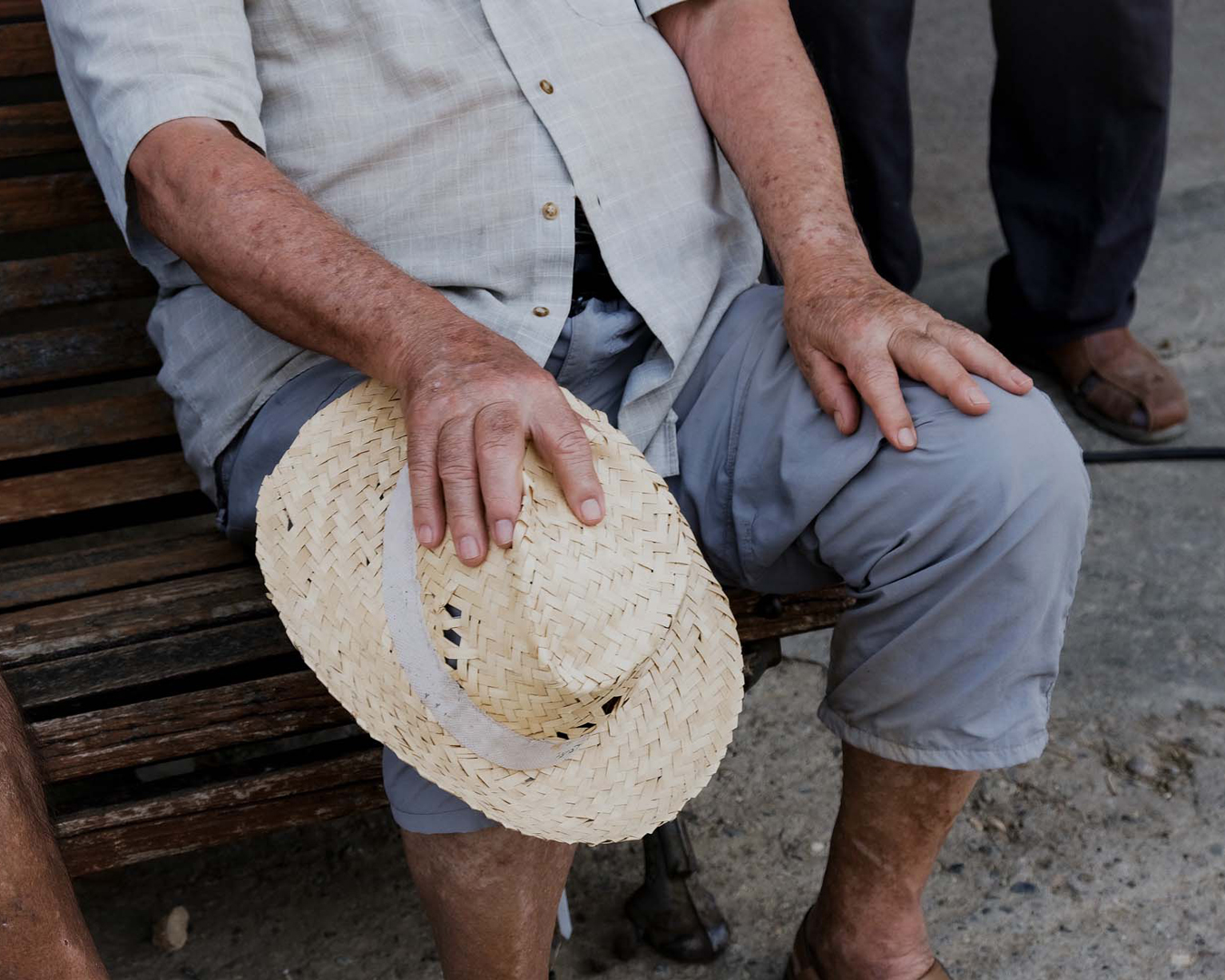
Repoblem: rehabilitation with a territorial sense
For the fight against rural depopulation to be effective, architecture cannot act in isolation. In the Repoblem project, we apply a methodology that transforms the act of rehabilitation into a local development strategy, activating a value chain that remains in the town. Our intervention is based on three fundamental pillars:
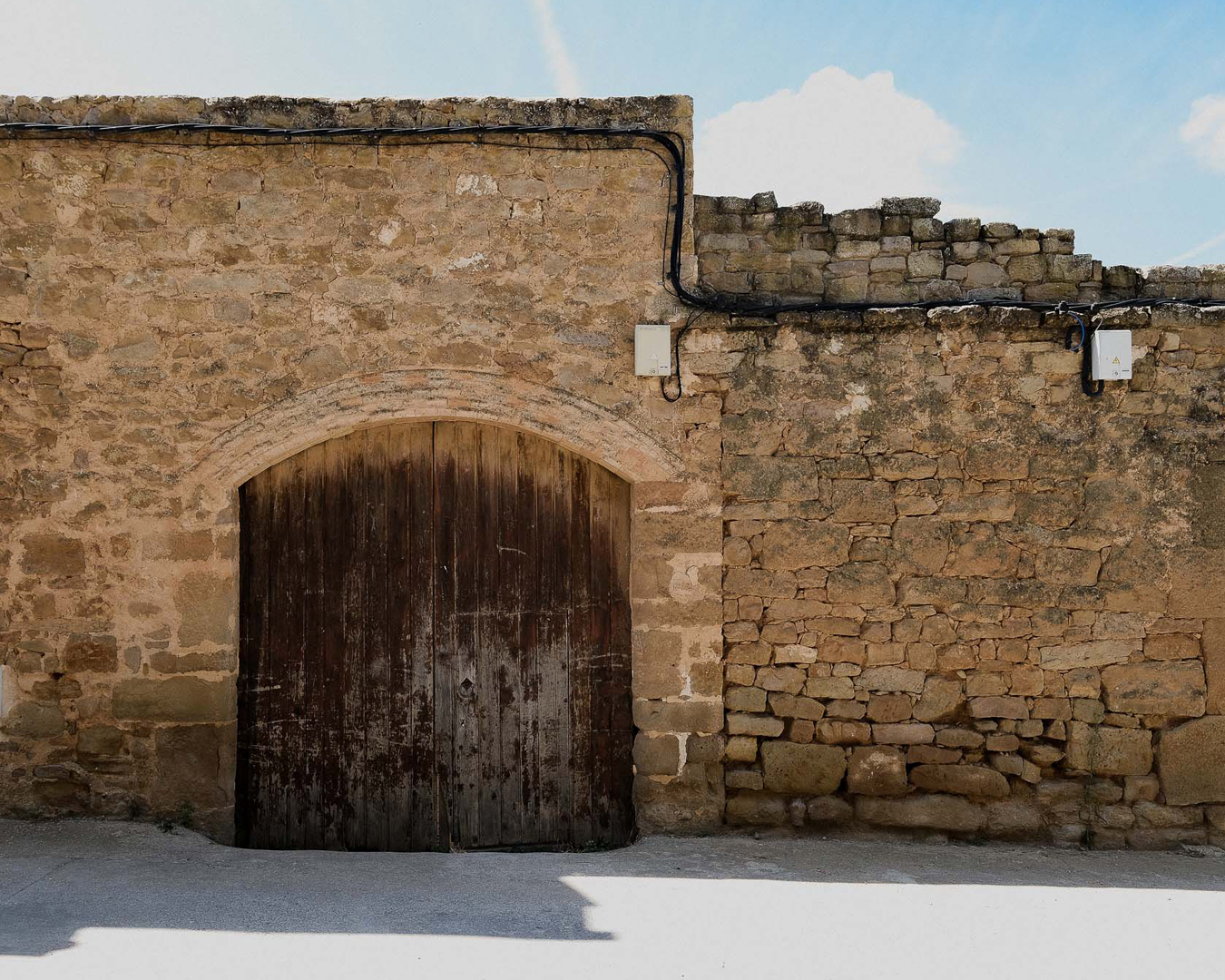
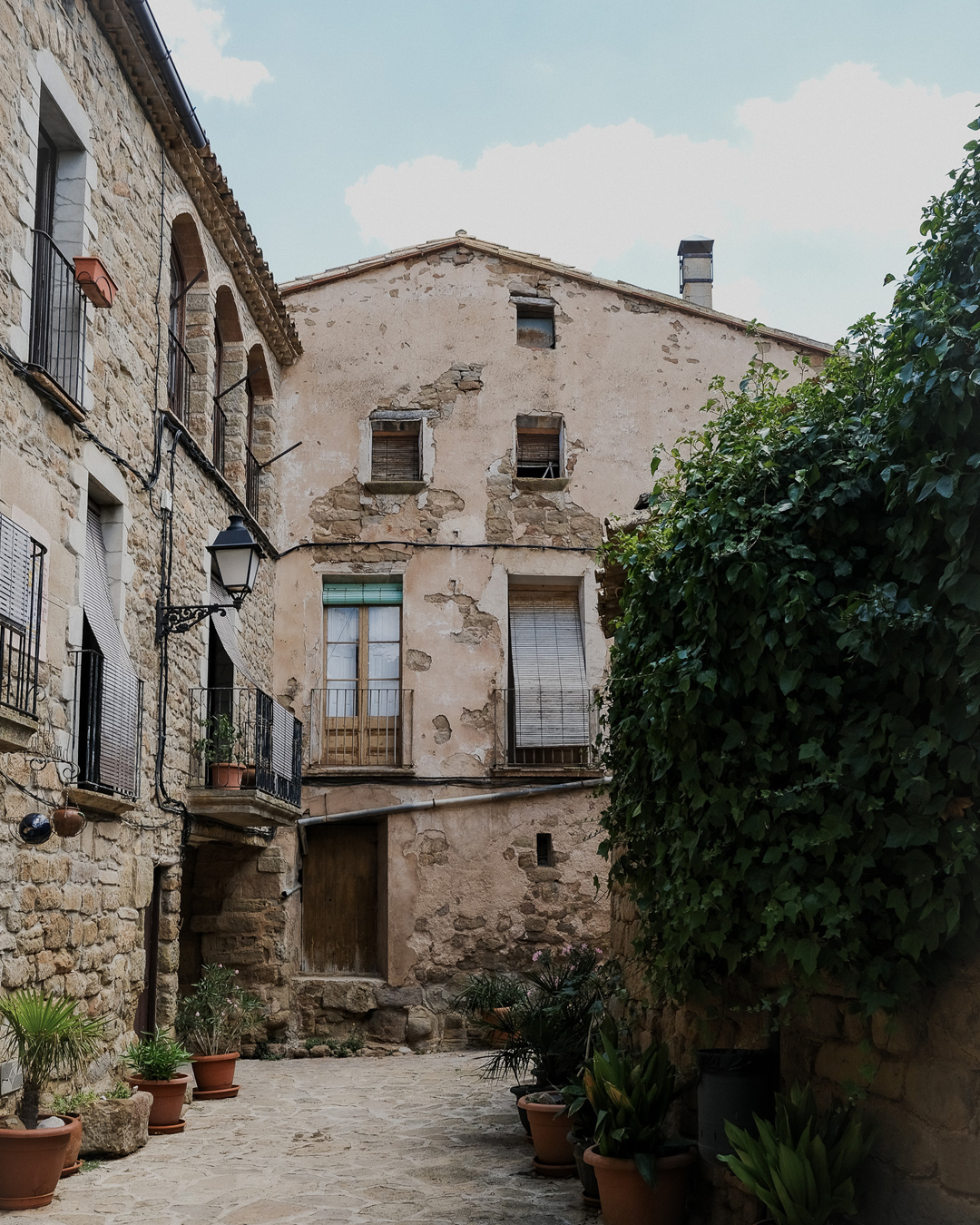
Rehabilitate before building: The first step of our methodology is the inventory and analysis of the abandoned or underused housing stock. We identify which buildings have the potential to house new forms of life (cooperative housing, rural cohousing or family units), always prioritizing the recovery of existing heritage to preserve the identity of the place.
Proximity circular economy: Faithful to our philosophy of resource recirculation, we prioritize the use of local materials and traditional construction techniques adapted to modern efficiency standards. By using stone, wood or soil from the area, we not only drastically reduce the carbon footprint of transportation, but we also re-inject economic investment directly into local suppliers and artisans, strengthening the business fabric of the municipality.
Training and employment: One of the biggest challenges in the rural world is the lack of specialized job opportunities. For this reason, we encourage rehabilitation processes to include training programs for young people or the unemployed in the territory. In this way, the work not only generates a home, but also generates a job. The inhabitant recovers his house and the town recovers professionals trained to maintain and continue transforming the environment.
The resilience of the territory
The desire to “return to the countryside” often collides with a harsh reality: the dilapidated state of many homes and the lack of services. If we want repopulation to be a success, we must lower the barriers to entry. At Repoblem, we are committed to a rural resilience model based on availability and quality.
Affordable and healthy housing: It is not enough that there are houses; they must be habitable under modern standards. Our rehabilitation guarantees energy efficiency and interior health, which reduces the cost of living for the new inhabitant and ensures their permanence.
Adaptability: Repoblem projects are not static. We design spaces that can evolve, allowing teleworking, small craft workshops or family growth.
Impact on administration: For a city council, a house rehabilitated through our methodology is not just another cadastral unit; It is a family that consumes in local businesses, children in school and a reduction in the degradation of heritage.
Repopulation FAQs
Is it more expensive to rehabilitate in a rural environment than to build in the city?
Not necessarily. Although logistics in remote areas can be complex, our transversal methodology of recirculating local resources and the use of local materials offset the costs, adding heritage and social value that new construction cannot offer.
How does Repoblem help City Councils with a low budget?
We act as strategic consultants. We help identify European funds and subsidies for rural housing, carry out the necessary technical diagnoses and design management plans that ensure that public investment translates into social and economic return for the municipality.
What role does digital connectivity play in your projects?
It is essential. At Repoblem, we understand housing as a connection node. Our rehabilitations always provide the necessary infrastructure for teleworking, allowing digital professionals to carry out their activity with the same quality as in a city, but with the benefits of the rural environment.
Do you want your municipality or project to be part of the change?
Rural depopulation is not an inevitable destiny, but a situation that requires new perspectives and brave tools. At Laboqueria Arquitectura through Repoblem, we have shown that architecture, when combined with social consulting and heritage management, has the power to bring life back to people.
If you represent a public administration, an association or a group interested in reversing depopulation through strategic architecture:
Contact Laboqueria Arquitectura to learn more about our Repoblem project. Together we can design the path back to the countryside, with technical rigor and social commitment.