Laboqueria Arquitectura at the Arquitectura.Coop conference
By the technical team of Laboqueria Arquitectura, an architectural cooperative specialized in cooperative housing, community facilities and participatory processes since 2009
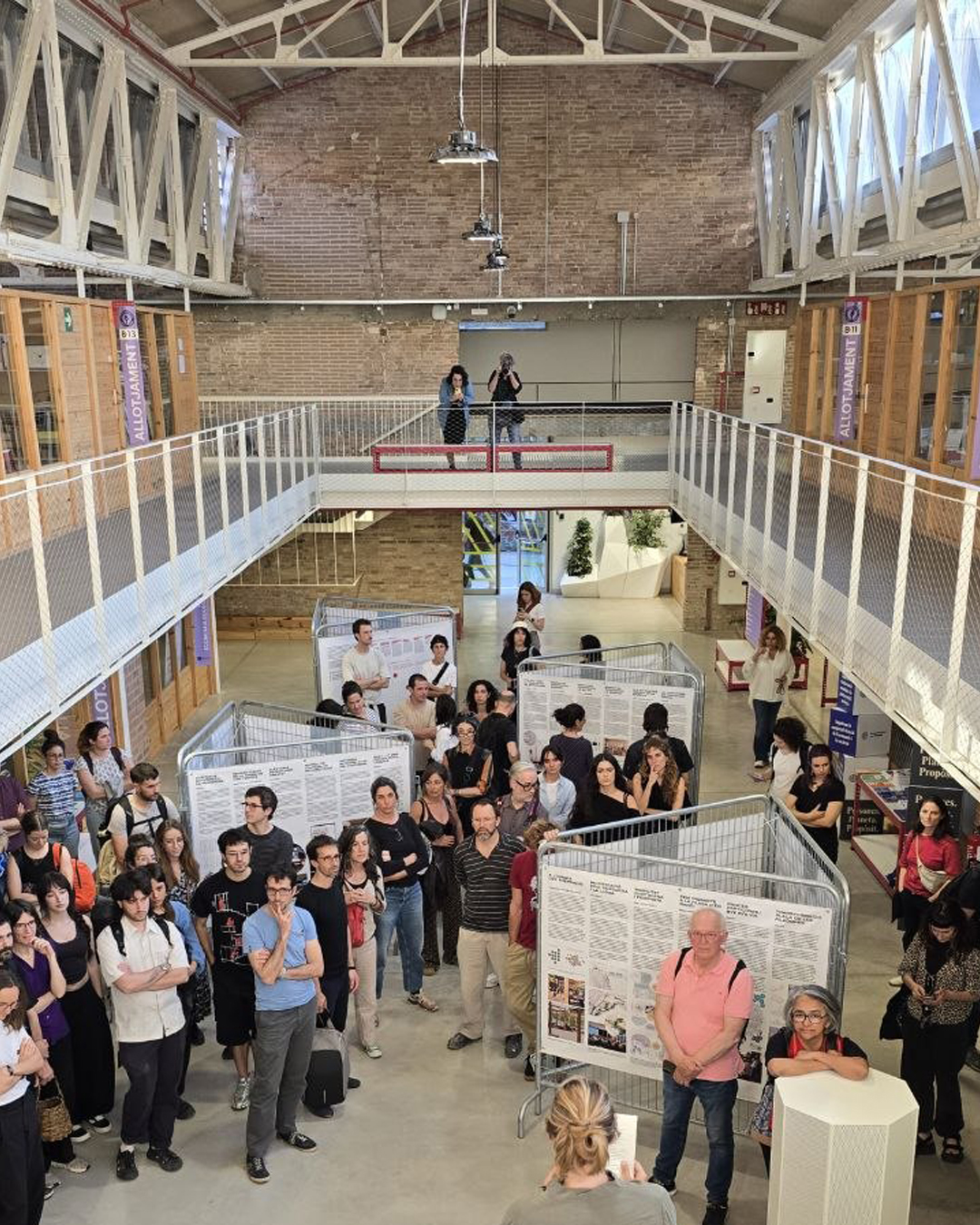
Laboqueria Arquitectura recently participated in the Arquitectura.Coop conference, an initiative promoted by various cooperatives and social economy entities with the aim of showcasing new ways of practicing architecture through cooperation, social commitment, and territorial transformation. The conference combined spaces for debate and reflection with an exhibition featuring experiences implemented by architecture cooperatives from across the country.
The exhibition also includes two projects developed by Laboqueria Arquitectura: the La Balma Cooperative Housing, a leading example of cooperative housing with right of use in Barcelona, and the Son Ferriol Health Center, incorporated into the “Other ways of building” section, which includes experiences related to new construction models, sustainability and the transformation of practices arquitectónicas.
For our team, it was especially relevant to see how projects developed in very different contexts, such as La Balma or the Son Ferriol Health Center, were part of a collective story about new ways of practicing architecture. Beyond constructive or programmatic solutions, both projects share aspects that today we consider fundamental in our professional practice: the participation of users, the collaborative management of processes and the search for long-term positive social and environmental impacts.
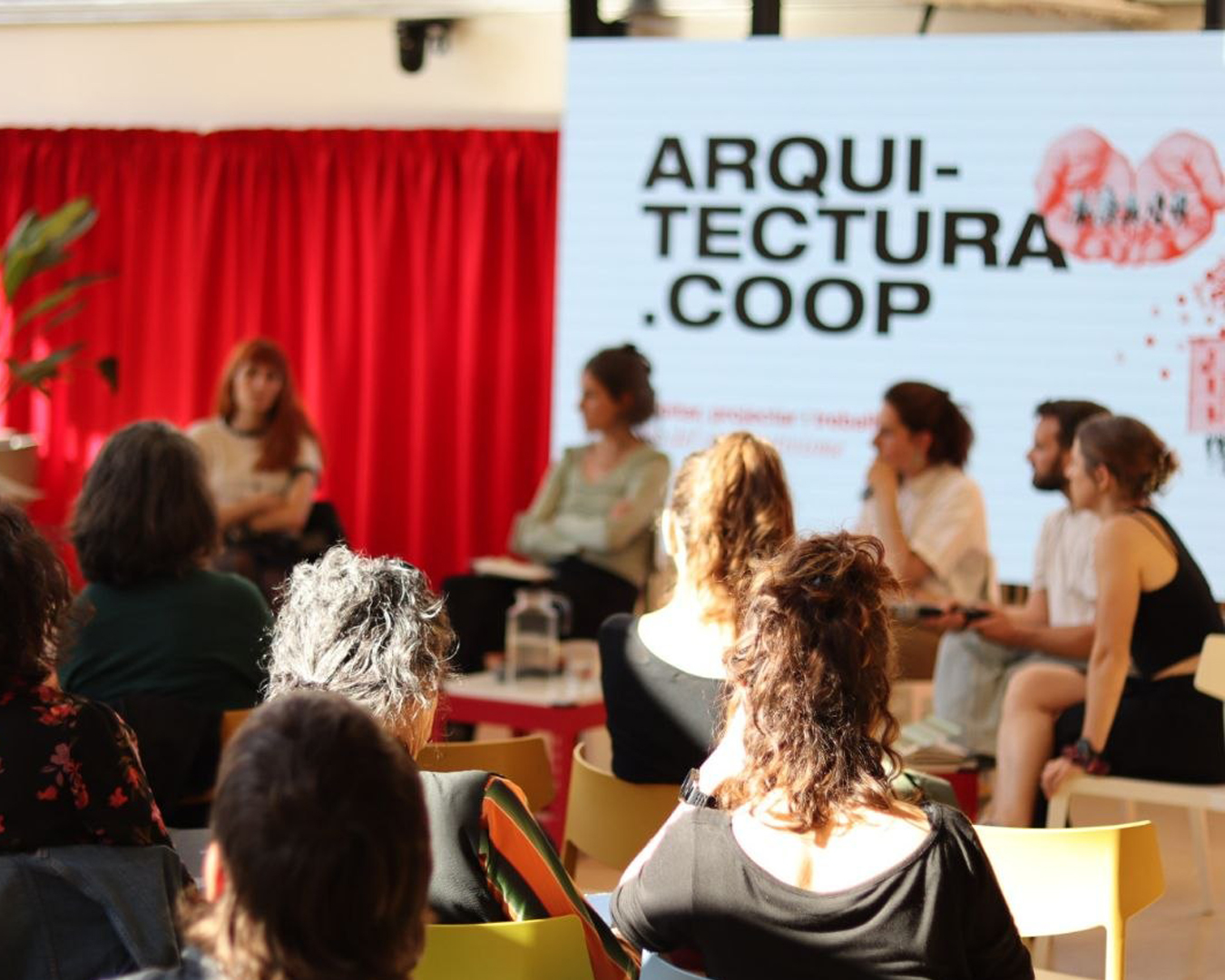
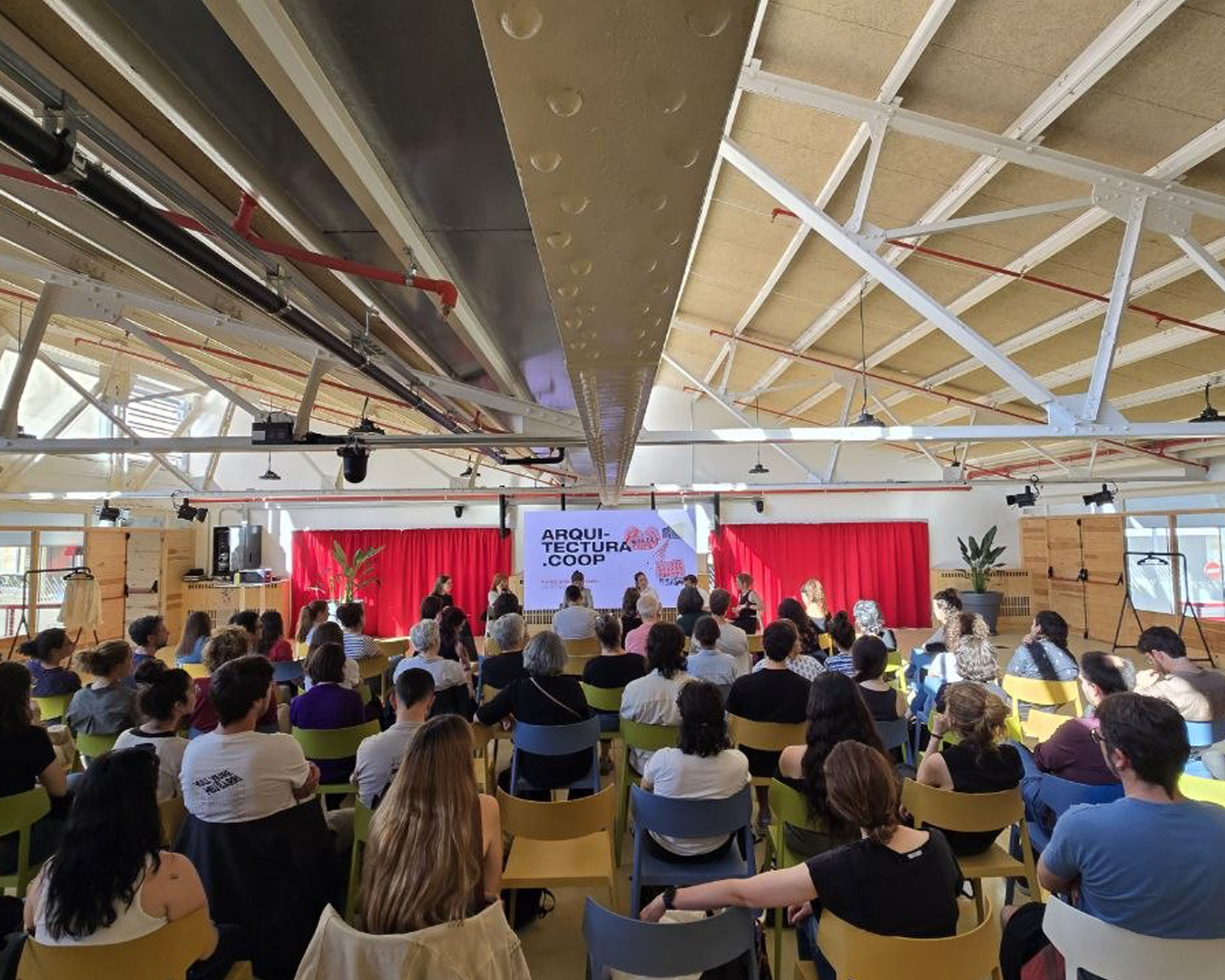
Arquitectura.Coop is an initiative launched by Celobert and Voltes, architecture and urban planning cooperatives linked to the social and solidarity economy, within the framework of Barcelona 2026 World Capital of Architecture. Participating firms include Lacol, Arqbag, Cíclica, Col·lectiu Punt 6, Equal Saree, Raons, Arquitectura de Contacte, Biohabita!, Llindarquitectura, Mutu, Taller11, MMMU, and Arquitectura a les Golfes, among others. The initiative highlights the capacity of cooperatives to generate professional practices based on inter-cooperation, citizen participation, and social return.
One of the debates present during the conference revolved around the capacity of cooperatives to transform not only the way they design, but also the professional relationships that support architecture. From our experience, this issue is especially relevant in a context marked by the complexity of current social, energy and environmental challenges. Intercooperation allows us to share knowledge, generate collective capabilities and tackle projects that could hardly be approached from more individualized logics.
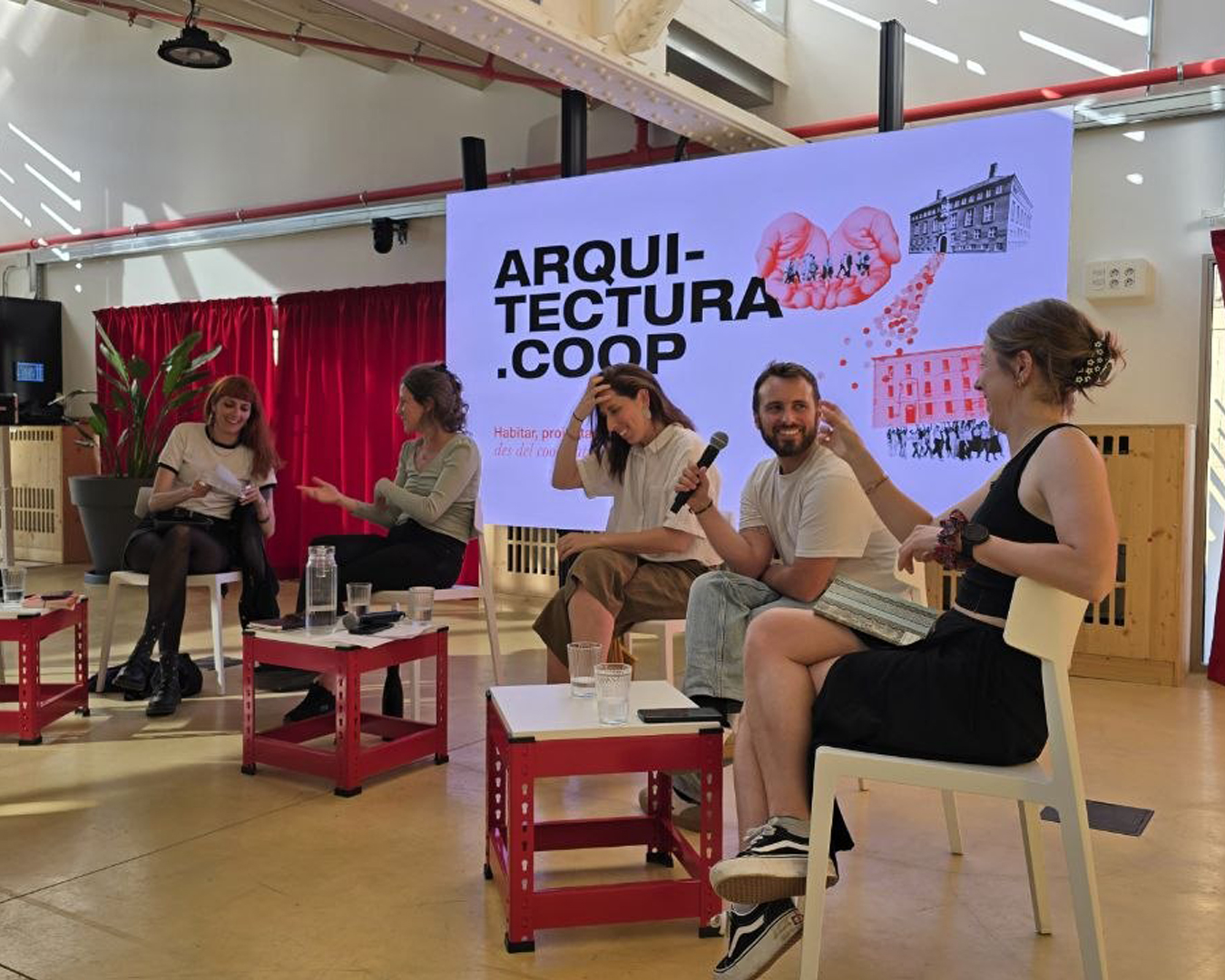
For Laboqueria Arquitectura, being part of this space is an opportunity to continue advocating for a cooperative approach to architecture, one that places people, collective processes, and sustainability at the heart of professional practice. As a cooperative, we share the values of democratic management, inter-cooperation, and a commitment to social transformation—principles that have guided our work since the studio’s founding.
Participation in Arquitectura.Coop reinforces the need to continue building networks among professionals and organizations working toward a more just, inclusive architecture that is committed to contemporary social and environmental challenges.