Bioclimatic architecture to boost communities
Architecture is undergoing a profound transformation. In a context marked by climate change, rising energy costs, and the need to rethink how we live, bioclimatic design is becoming a key tool for creating the spaces of the future: healthier, more efficient, and more connected to their surroundings.
At Laboqueria Arquitectura, we apply the principles of bioclimatic architecture to all our projects, integrating sustainability, material health, and community well-being as inseparable elements of the architectural process.
As an architects’ cooperative, we work with a methodology based on collaboration, co-creation, and continuous dialogue with the local area, aimed at achieving flexible architecture and sustainable communities. And it is precisely in bioclimatic design that this vision is most clearly expressed.
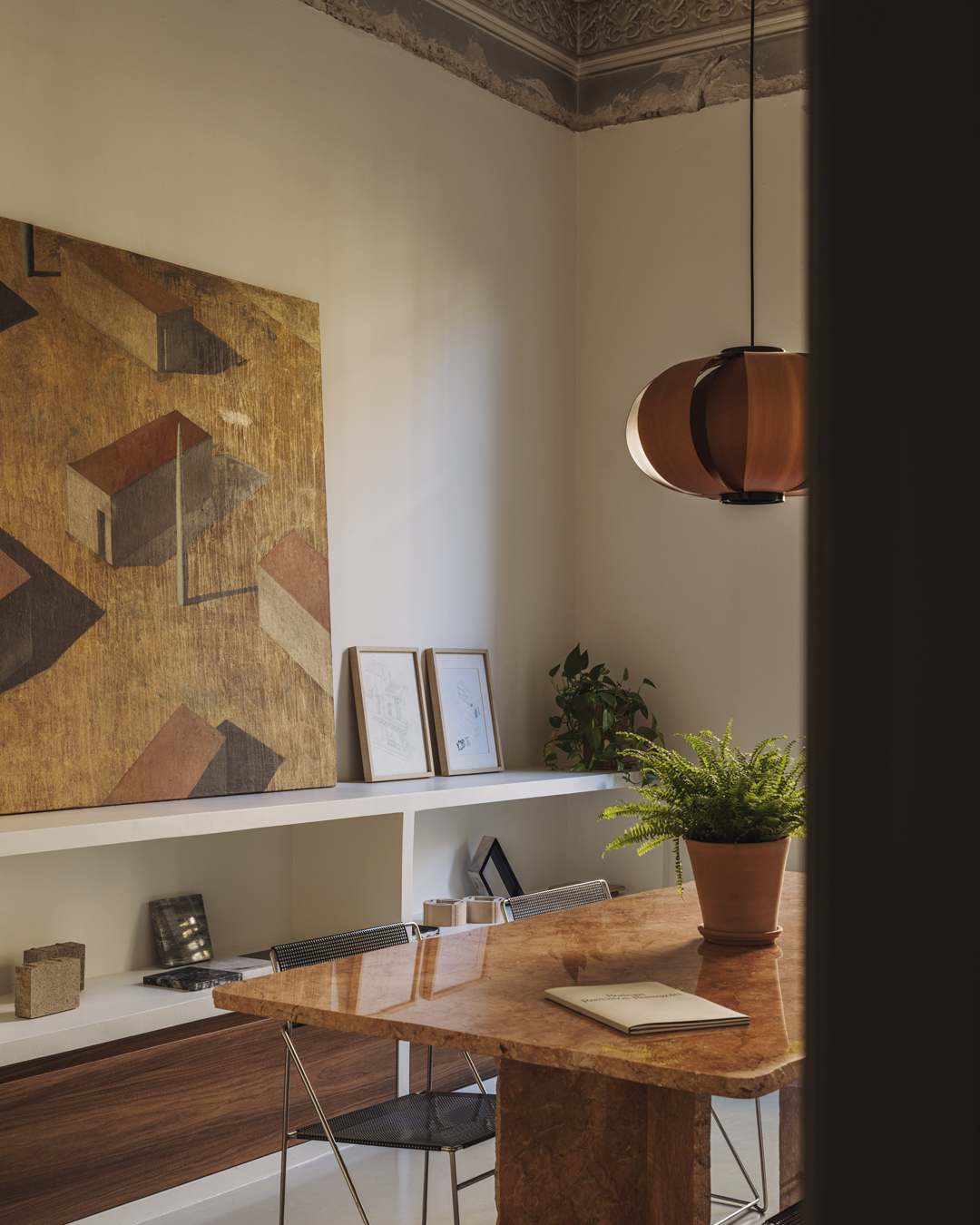
What is bioclimatic design and why is it key in current architecture?
Bioclimatic design involves creating buildings that intelligently utilize the local climate: solar orientation, natural light, ventilation, and surrounding vegetation. Bioclimatic architecture is not limited to reducing energy consumption; it’s about designing spaces that work in harmony with the climate, generate comfort without relying on artificial systems, and promote the health of their inhabitants.
We understand bioclimatic design as part of a cross-cutting methodology that connects architecture, territory, and community. It allows us to create more resilient, more livable environments, better prepared for the challenges of the future.
Bioclimatic architecture in existing buildings: renovation that breathes with the environment
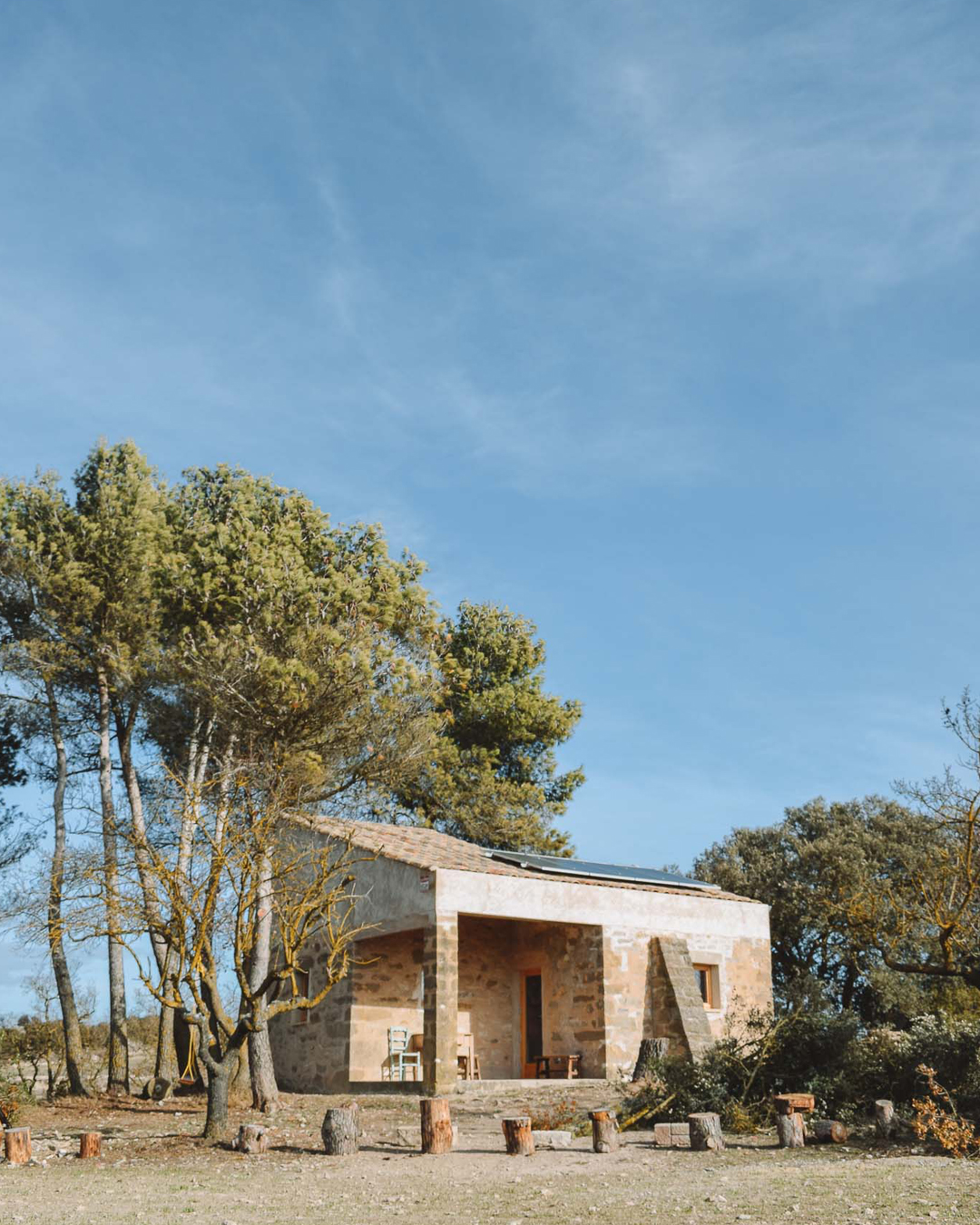
We recognize that energy-efficient renovation of existing buildings presents an opportunity to be more environmentally friendly and sustainable. Bioclimatic renovation goes beyond simply improving insulation or updating systems. It goes further, restoring the original building’s environmental qualities and adapting it to current needs without losing its character.
We have worked on various projects transforming outdated buildings, prioritizing strategies such as improving thermal inertia, natural ventilation, controlled sunlight, and the use of healthy materials, as exemplified by our Log Cabin project.
Bioclimatic construction in new builds: buildings prepared for the future
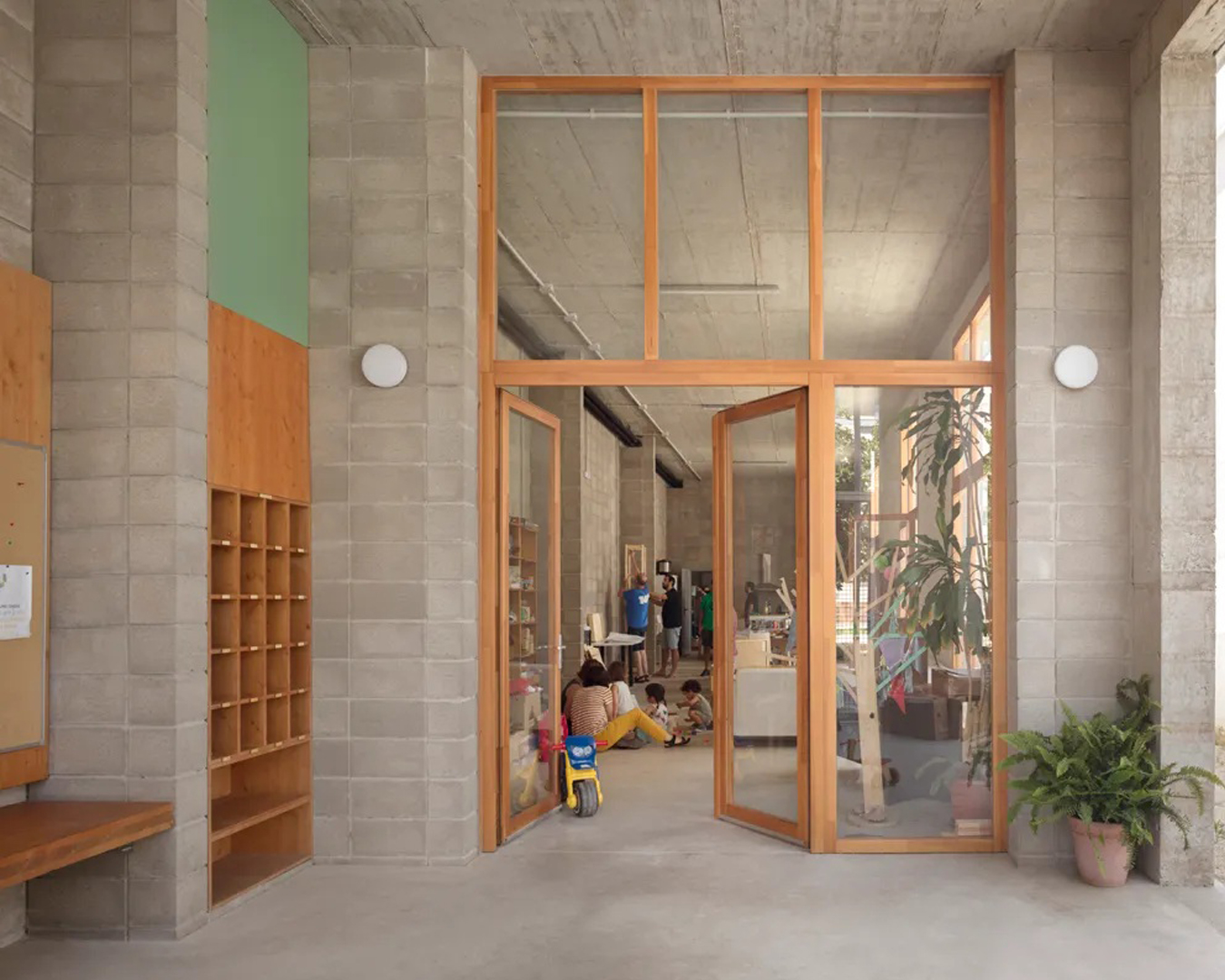
In new construction projects, bioclimatic design allows for the creation of buildings that function efficiently from the outset, without relying on complex technologies. At Laboqueria Arquitectura, we apply this approach to homes, community spaces, facilities, and rural projects through clear decisions from the initial phase: how sunlight enters, how air circulates, how materials behave, and how the building integrates into its community.
This approach enables us to create bioclimatic and sustainable architecture that improves comfort and significantly reduces energy consumption. The result is durable, flexible buildings prepared for the climatic, economic, and social changes that will shape the coming years, as exemplified by our Cooperative Housing La Balma.
The process as a tool: collaboration, co-creation and healthy communities
One of the key aspects of Laboqueria Arquitectura is its emphasis on process. A collaborative vision, integrating everyone involved in the projects, is truly effective when clients, cooperatives, public entities, technicians, neighbors, and others share a common goal.
Bioclimatic design is not an isolated technique, but rather a way of thinking about the project that incorporates the collective intelligence of the local area. We listen to the users, analyze the local climate, study the available materials, and seek solutions tailored to each community.
This approach is strengthened by practices such as material recirculation, responsible resource management, and the promotion of sustainable habits through social consulting. These strategies allow each project to have a positive impact beyond the building itself, something we develop thanks to our Redó research project.
Bioclimatic architecture and rural repopulation: building the future from the land
Bioclimatic design is especially relevant in rural areas. Catalonia is experiencing depopulation in several regions, and architecture can become a tool to reverse this trend.
When we address issues of sustainable housing or community spaces, we aim for bioclimatic and sustainable architecture to reduce energy costs, improve comfort, and adapt to the rural climate, making it a key process in repopulation.
Revitalizing a village is not just about building houses. It’s about creating conditions for life to flourish in harmony with the village. At Laboqueria Arquitectura, we promote projects like Repoblem to halt the depopulation trend we are experiencing.


Training and Research: drivers for quality bioclimatic architecture
To promote high-quality bioclimatic architecture, ongoing training and research are essential. We participate in educational initiatives, both private and public, in job placement programs, and in academic collaborations to promote new materials, low-impact working methods, and, above all, innovative construction methodologies.
Bioclimatic architecture is not a static standard but a constantly evolving field. Research allows us to offer more efficient solutions that are better adapted to our climate and local needs.
An architectural model that cares for the planet and its people
Bioclimatic design is not just a technical tool; it’s a way of understanding architecture as an act of care for the environment and the communities that inhabit it.
We believe that the future is built on collaboration, genuine sustainability, and deep respect for the land. Bioclimatic architecture means choosing a healthier, more efficient life, consciously connected to the climate and local resources.
If you’re looking to transform your building, community, or territory through sustainable and bioclimatic architecture, we would be delighted to accompany you.