Reclaiming spaces and materials to breathe new life into villages
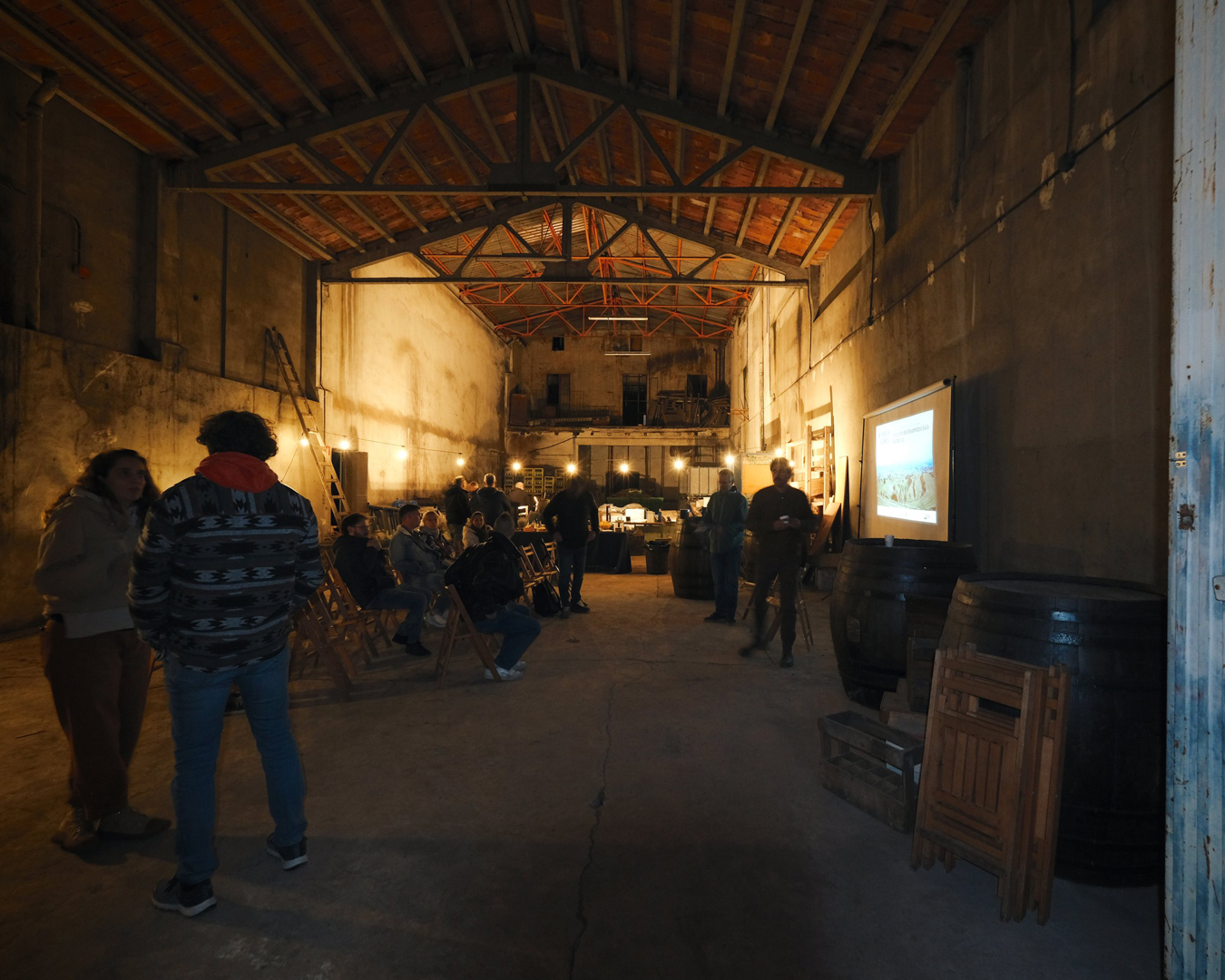
On Friday, November 6th, Ricard Grau, a partner at Laboqueria Arquitectura, participated in an event at Cal Valeri, in Tàrrega, dedicated to exploring how the recovery of disused buildings and materials can generate new opportunities for towns and their surrounding territories.
The gathering served as a forum for sharing experiences and projects that view rehabilitation not merely as an intervention on existing structures, but as an opportunity to reclaim resources, stimulate the local economy, and strengthen community ties.
Hosting the event at Cal Valeri itself helped highlight the space’s potential for use, as well as the importance of such projects becoming hubs for gathering, activity, and social interaction. Their recovery also requires that local citizens and various stakeholders in the rural sphere take ownership of these spaces, integrating them into the everyday life of the territory.
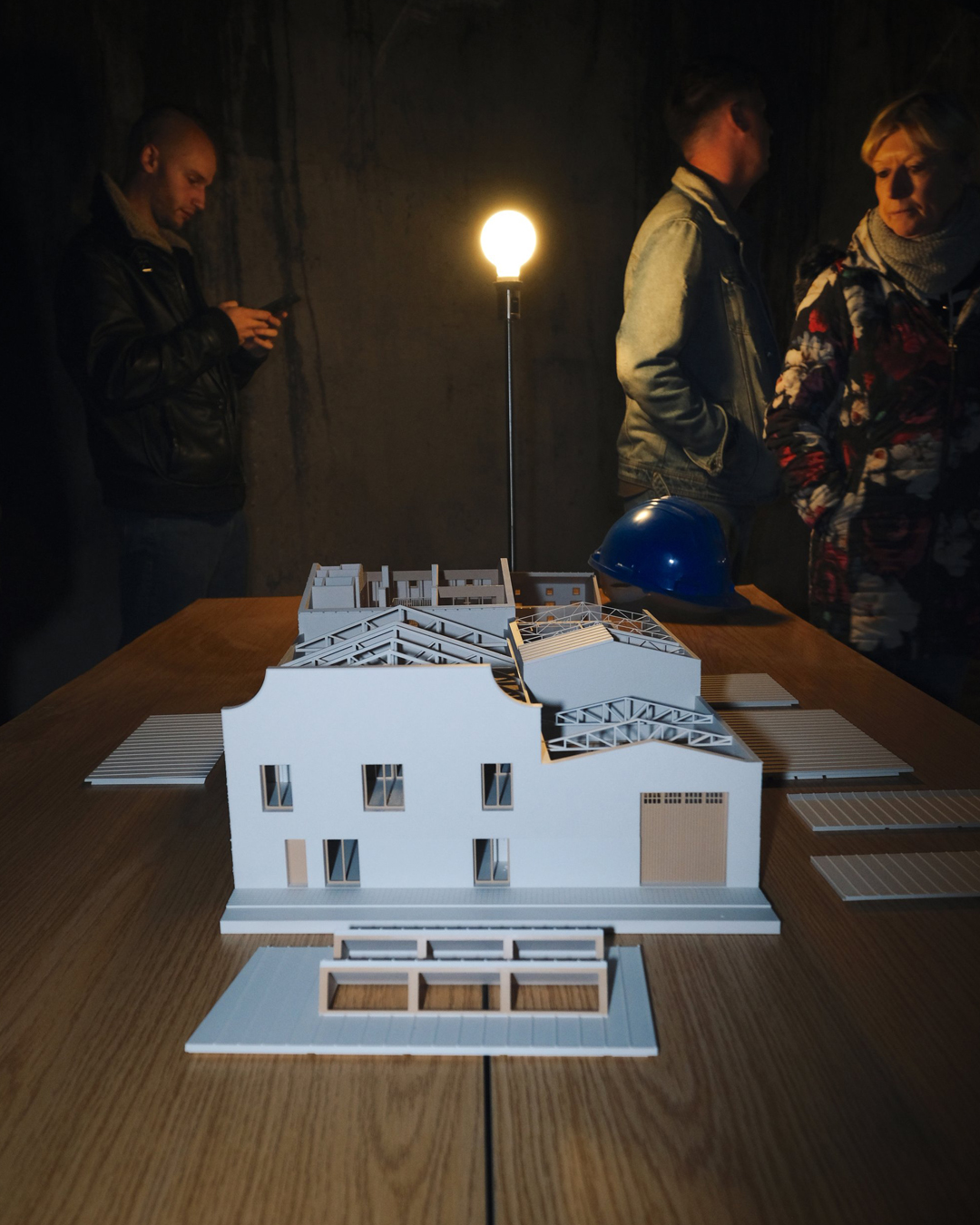
During the event, the Cal Valeri Cooperative Hub project was presented. The site, currently undergoing renovation, aims to restore this heritage asset and transform it into a new facility that fosters activity and creates opportunities for the local area. Developed by Muntant Arquitectura and Laboqueria Arquitectura, the project is driven by the desire to breathe new life into an existing building and dedicate it to serving collective needs.
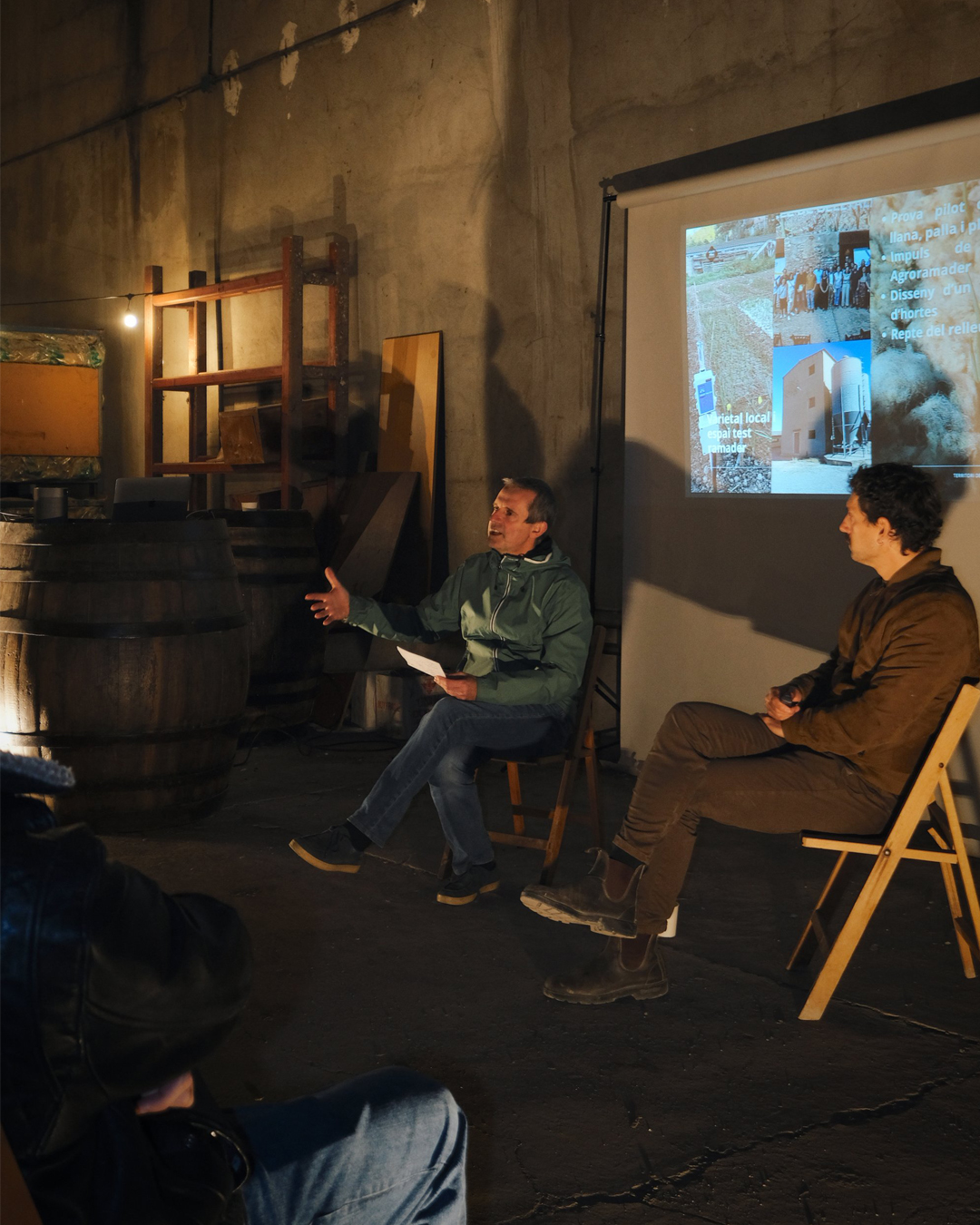
Also introduced was REDÓ, an initiative by the association SaóPrat, which focuses on recovering construction materials to facilitate their reuse. The project integrates the circular economy, vocational training, and job placement, demonstrating how materials often dismissed as waste can become valuable resources for new projects.
Ricard Grau: During the event, I shared some thoughts on how Cal Valeri can make an impact at various territorial scales. At the neighborhood level, it can serve as a local socio-cultural facility—a type of space currently lacking in this part of Tàrrega. At the county level, it offers an opportunity to connect diverse disciplines and stakeholders involved in the social and solidarity economy. Furthermore, for the Ponent region, it could serve as a pioneering project that promotes new models for cooperative hubs. I also emphasized the importance of the project remaining consistent with the resources it employs—ranging from the recovery, sorting, and potential reuse of existing materials to the integration of bioclimatic design strategies. Ultimately, I believe that rehabilitation is not just about restoring a building, but about rethinking how we build and the relationship we establish with resources and the environment.
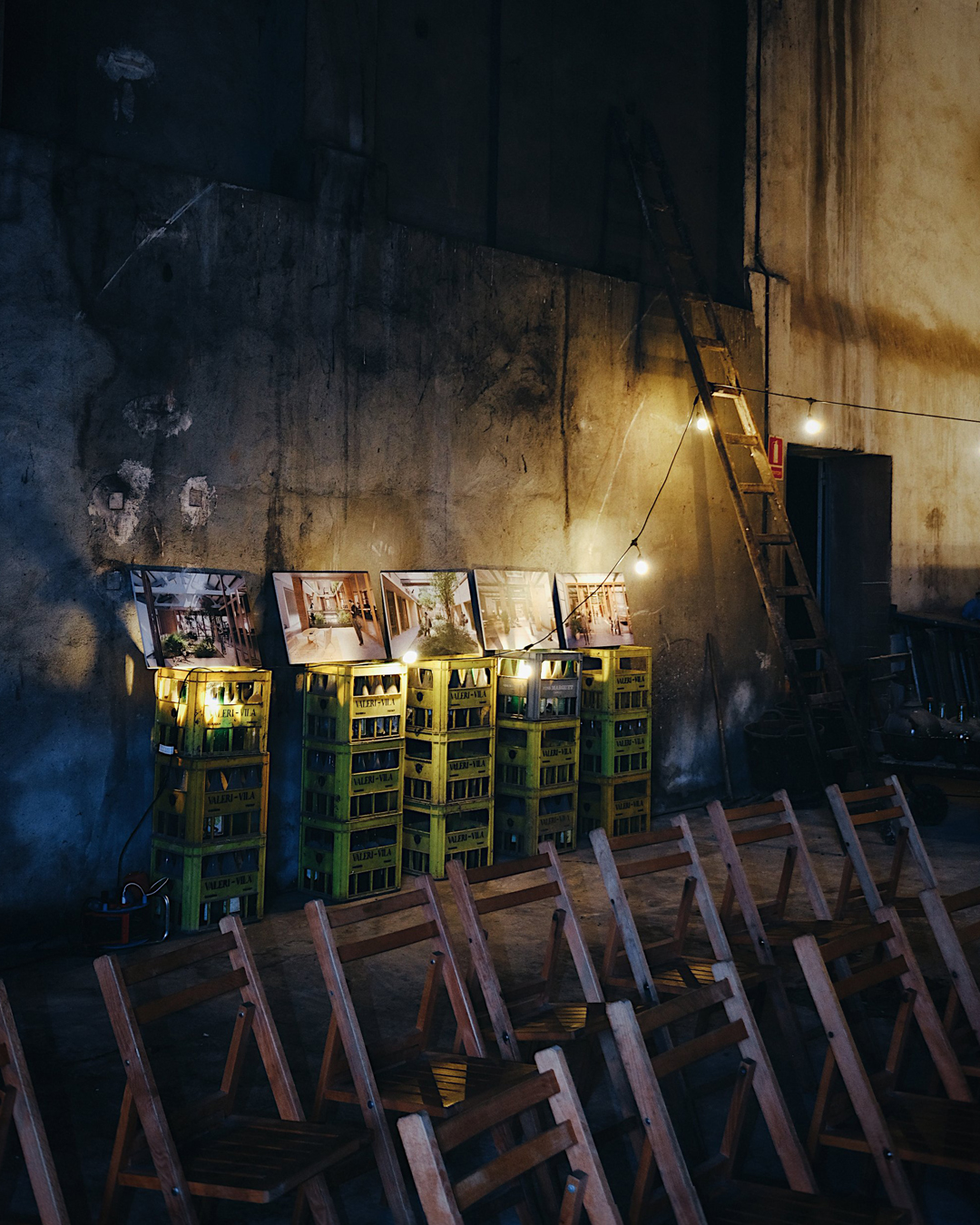
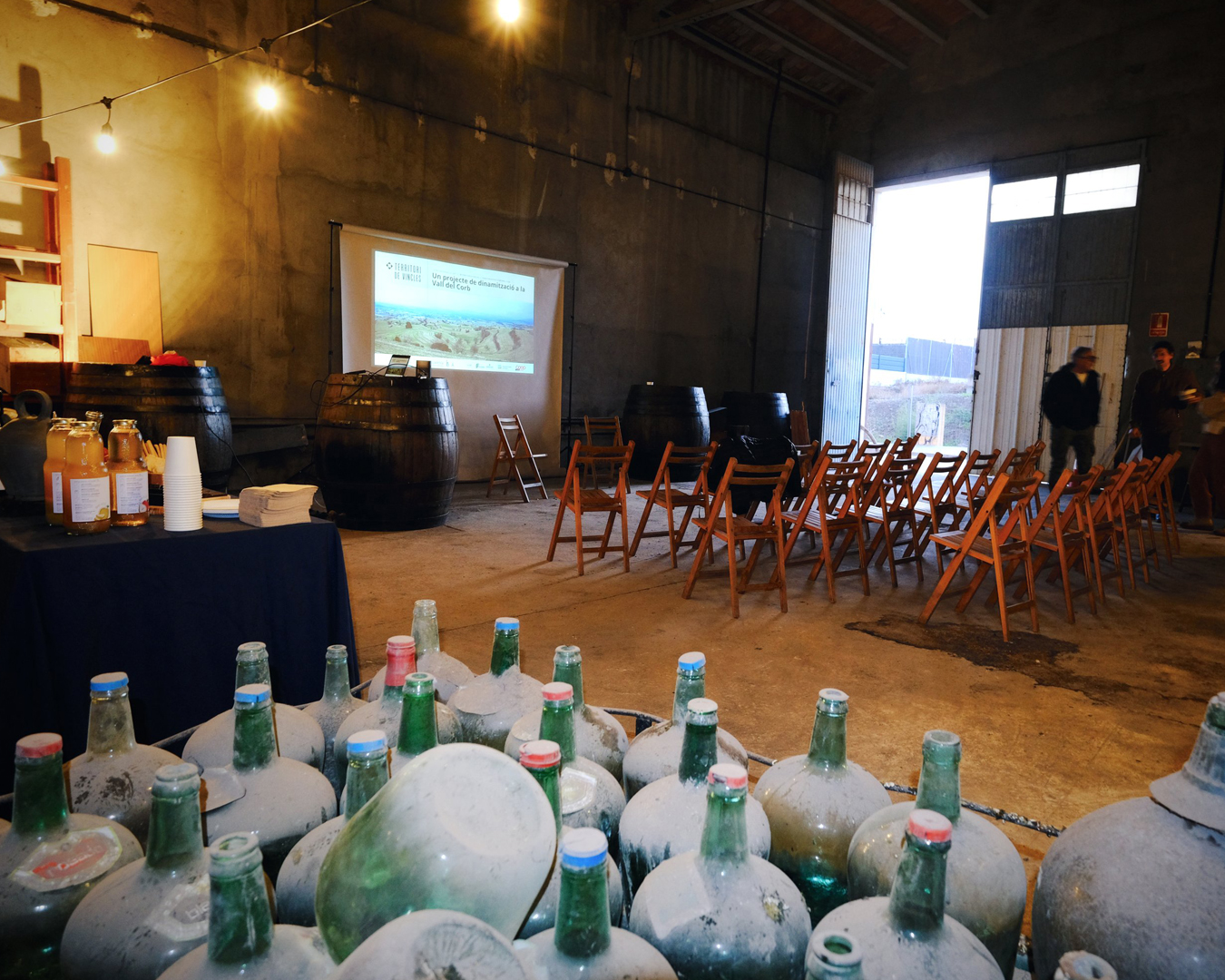
The two experiences made it possible to share different ways of approaching rehabilitation and reuse, connecting the recovery of the built heritage with the use of material resources and the generation of activity in the territory.
From Laboqueria Arquitectura we understand rehabilitation as an opportunity to work from what already exists, recognize the value of buildings and available materials and contribute to more sustainable development models, rooted and linked to the needs of each community.
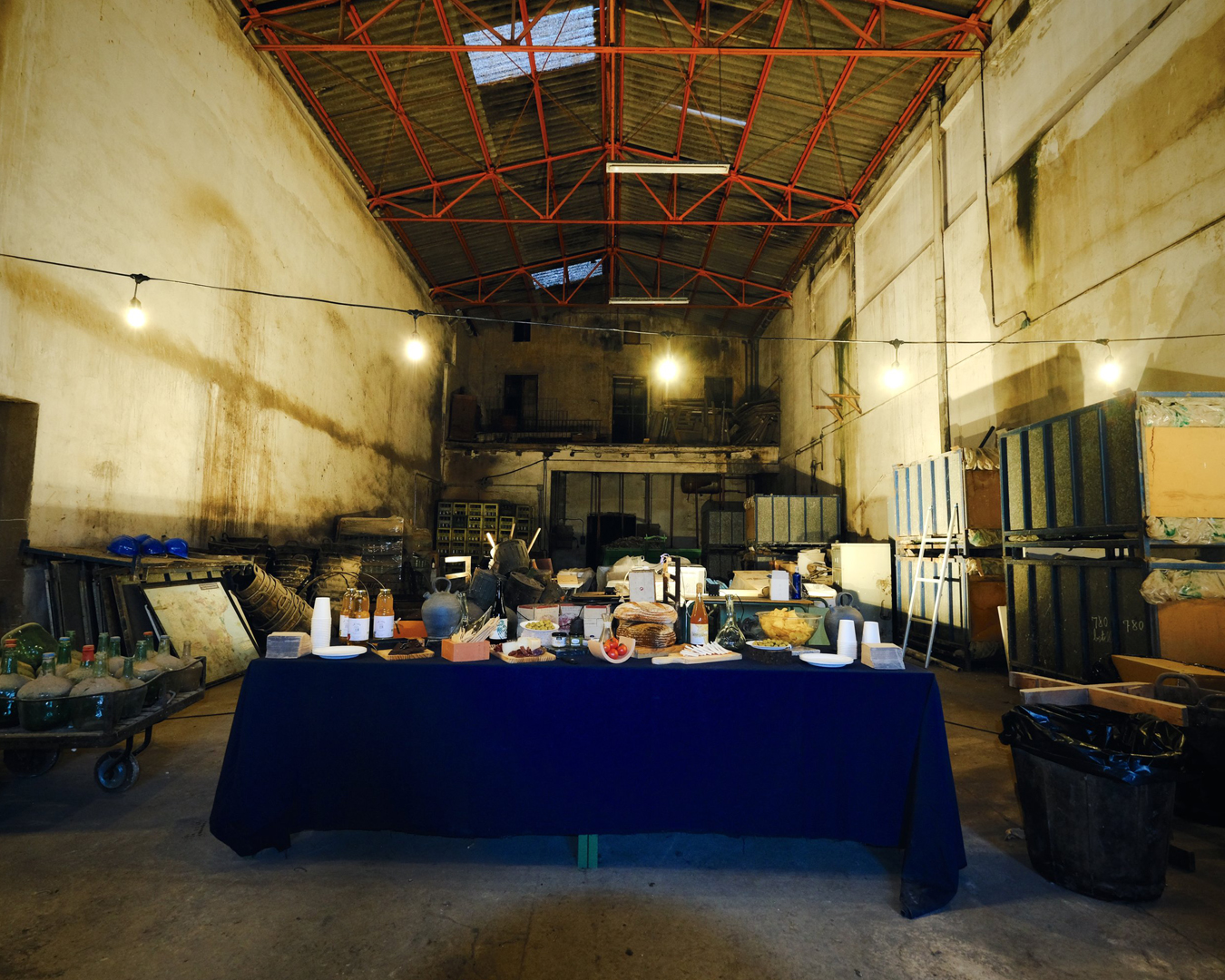
The day, organized by the Vall del Corb Association, Territori de Vincles and Cal Valeri, with the support of the Diputació de Lleida and Economic Promotion, closed with a snack of local products and a space for conversation between the attendees.