Rehabilitation of an old warehouse into a contemporary home
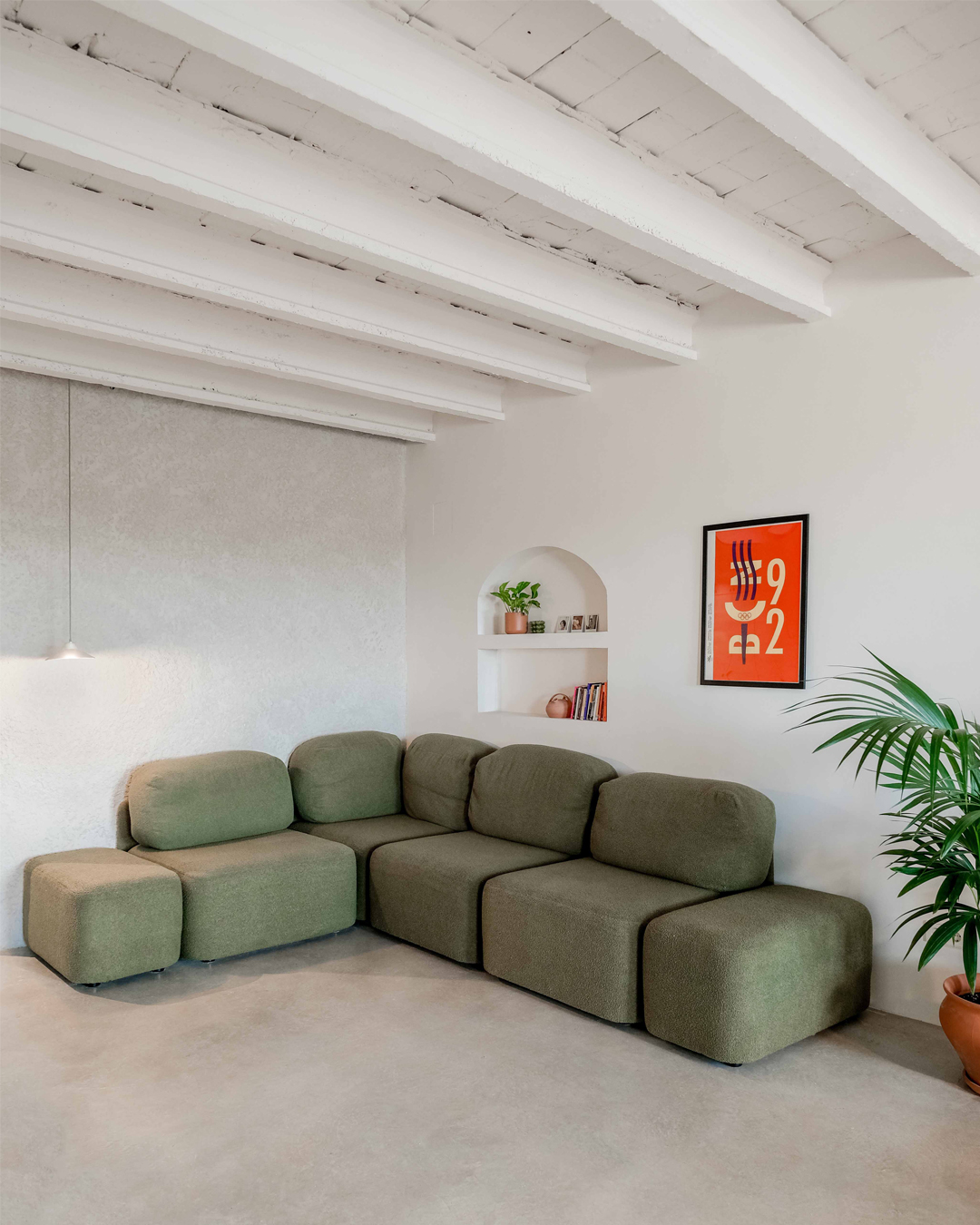
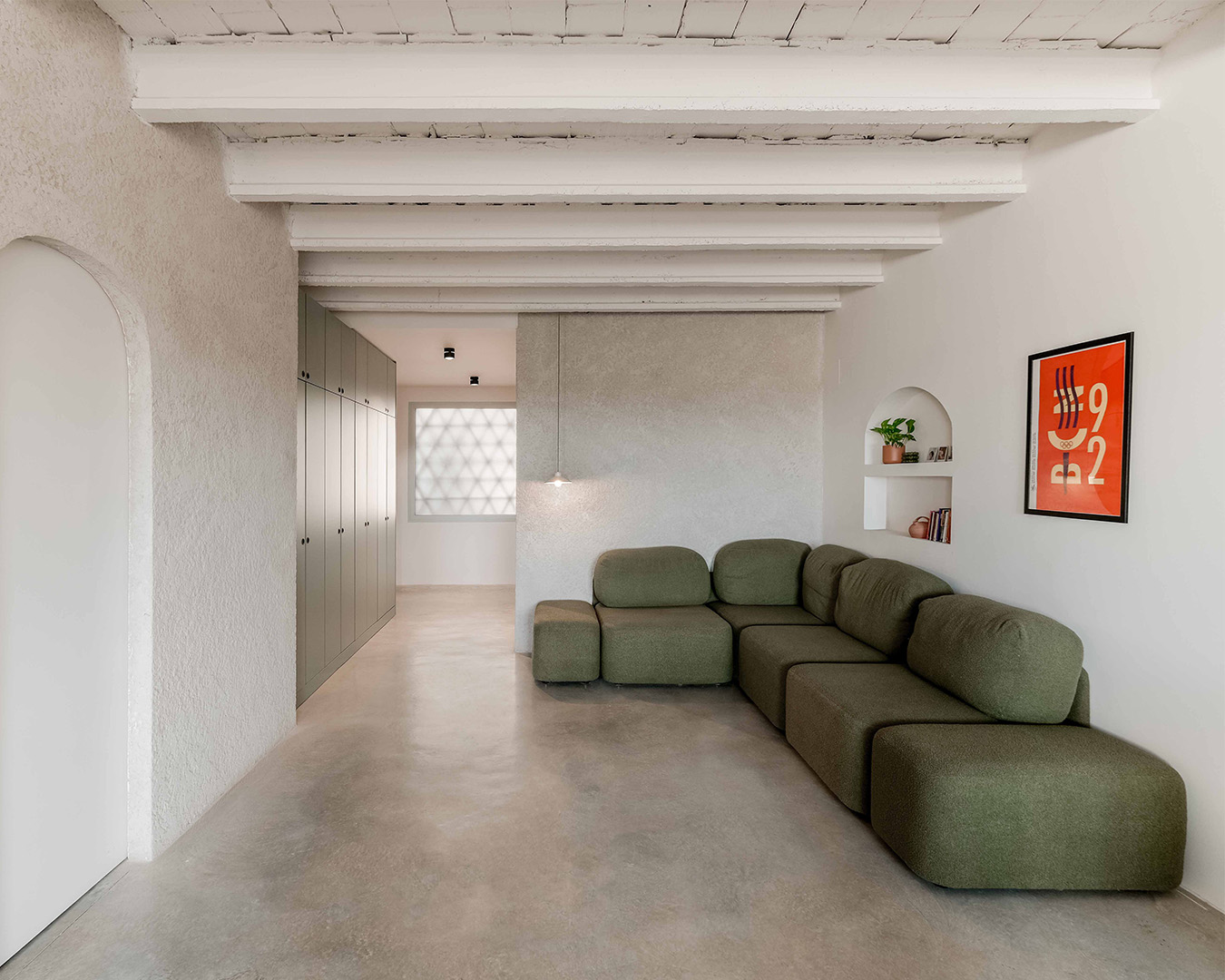
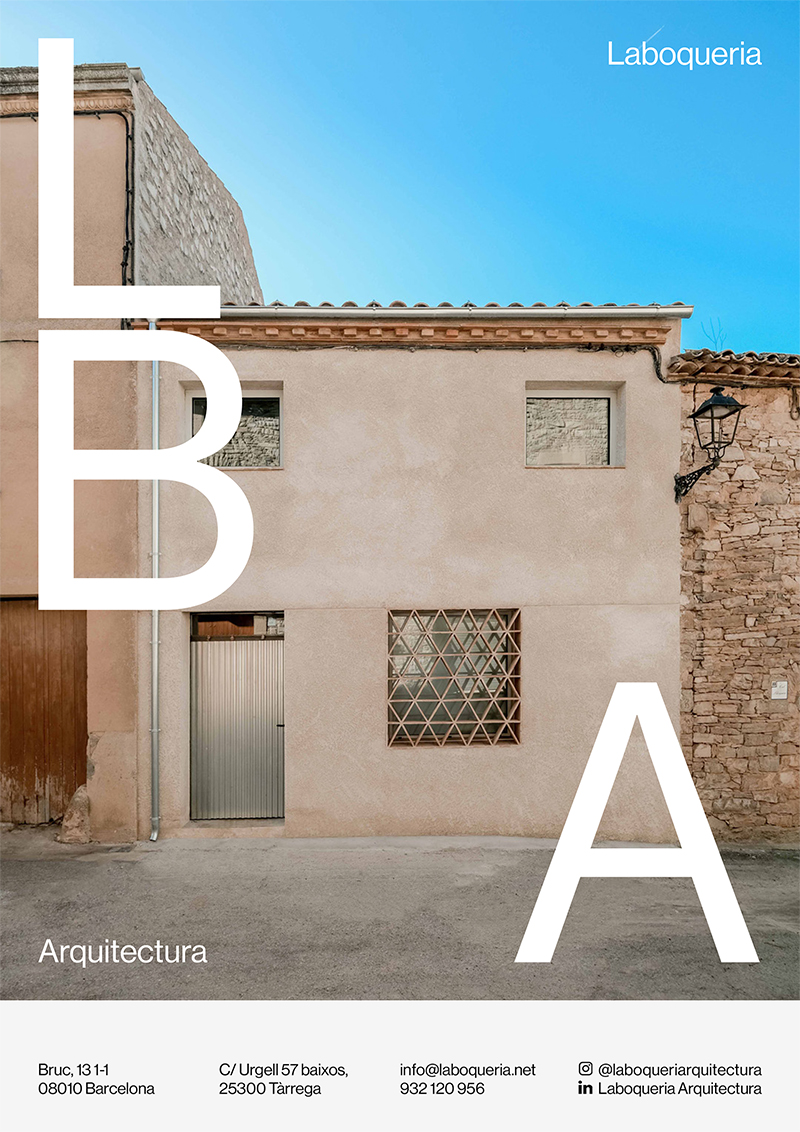
At Laboqueria Arquitectura, we understand rehabilitation as an opportunity to recover the memory of places and adapt them to new ways of living. This house in Ametlla de Segarra, located in a small rural village in La Segarra, is the result of the respectful transformation of an old warehouse into a contemporary home, maintaining the essence of traditional architecture and its relationship with the surrounding context.
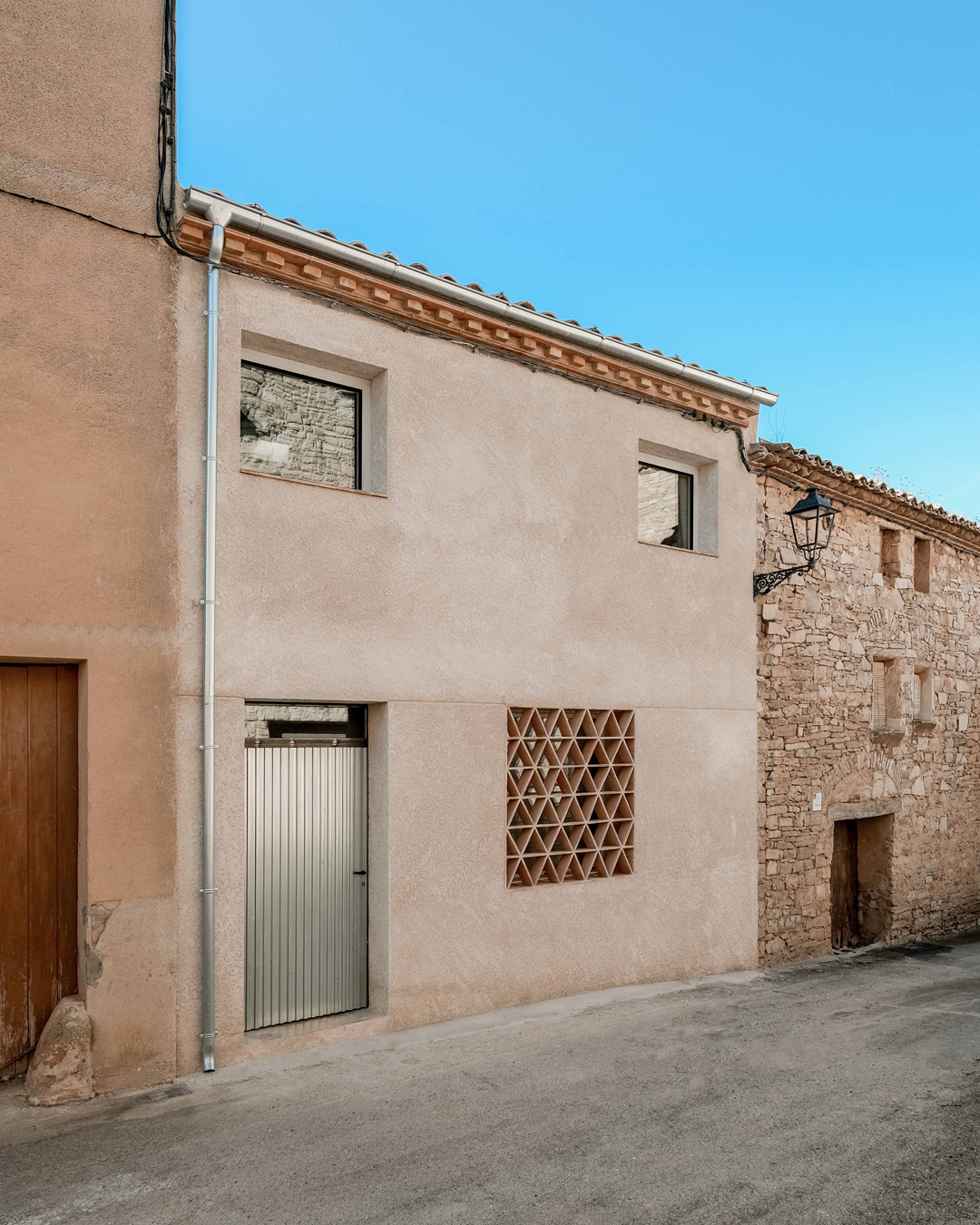
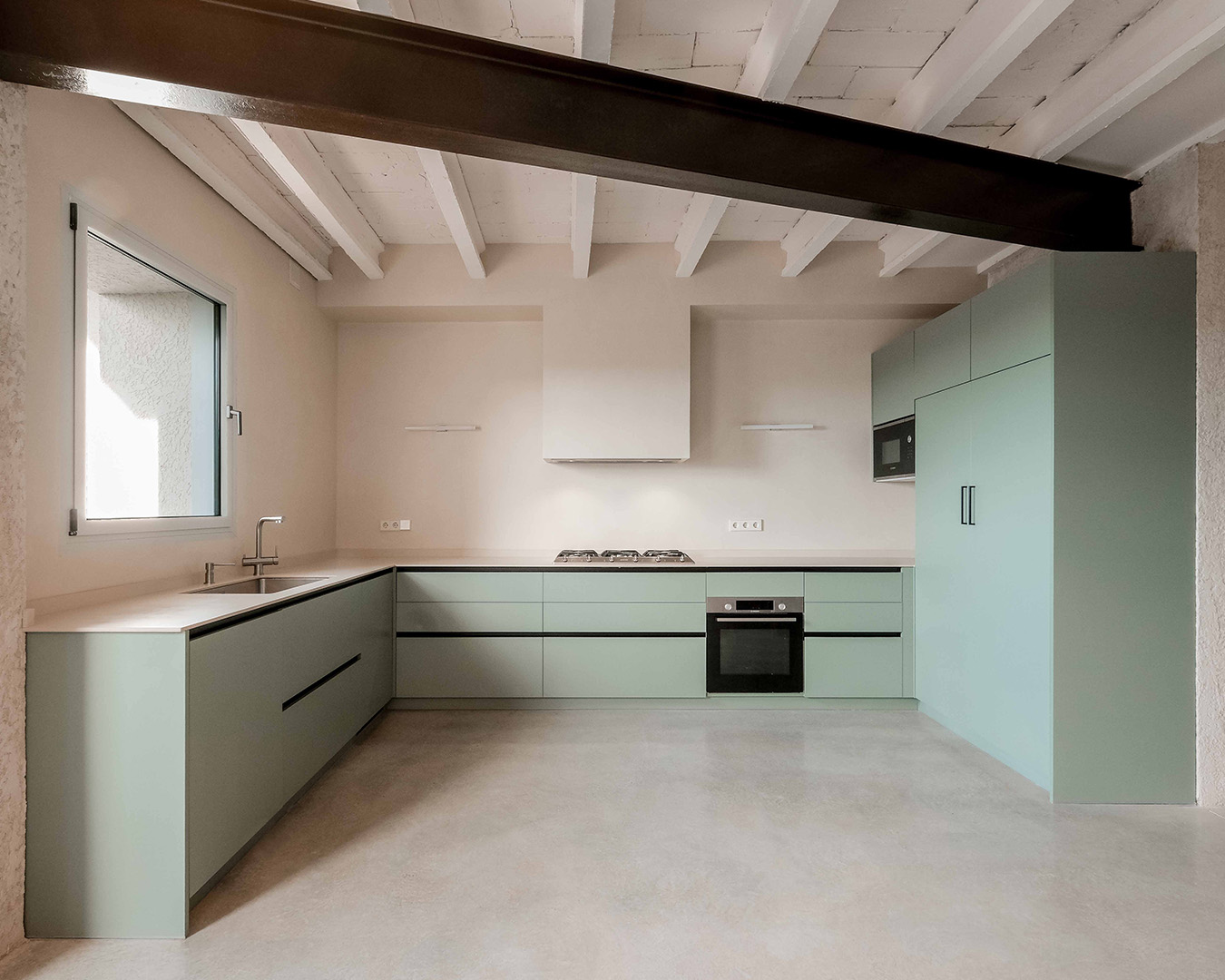
The intervention preserves the building’s original character through the use of natural and honest materials such as stone, wood, lime mortar, and handcrafted ceramics. The design seeks to combine openness, light, and comfort within a setting of centuries-old houses, creating warm spaces connected to the rural landscape.
The house is organized with the living areas on the ground floor and the sleeping areas on the first floor. A central void visually and functionally articulates the house, allowing for the entry of indirect natural light and reinforcing the feeling of spaciousness. This opening in the roof acts as a structuring element of the interior space, contributing to the ambient quality and continuity between rooms.
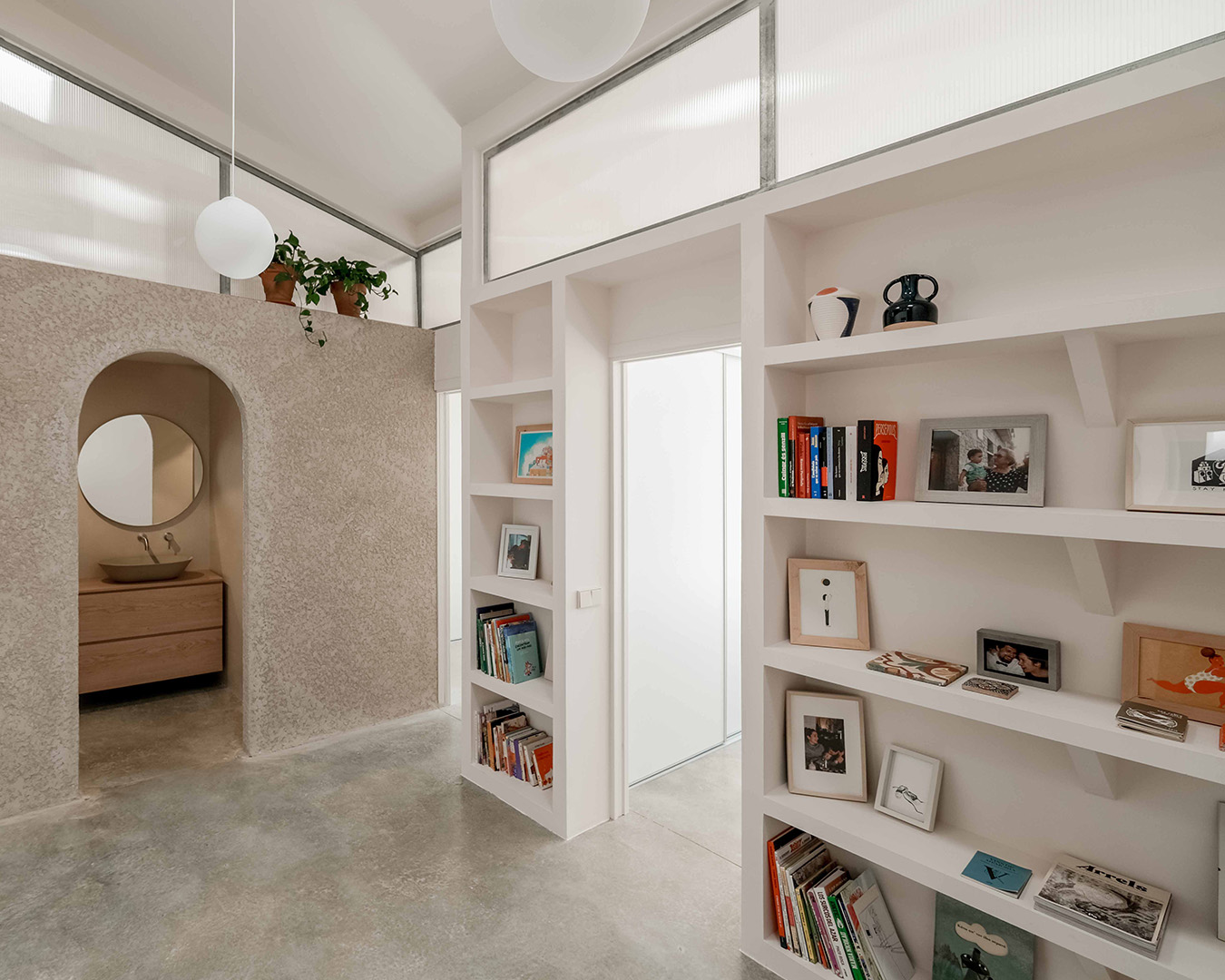
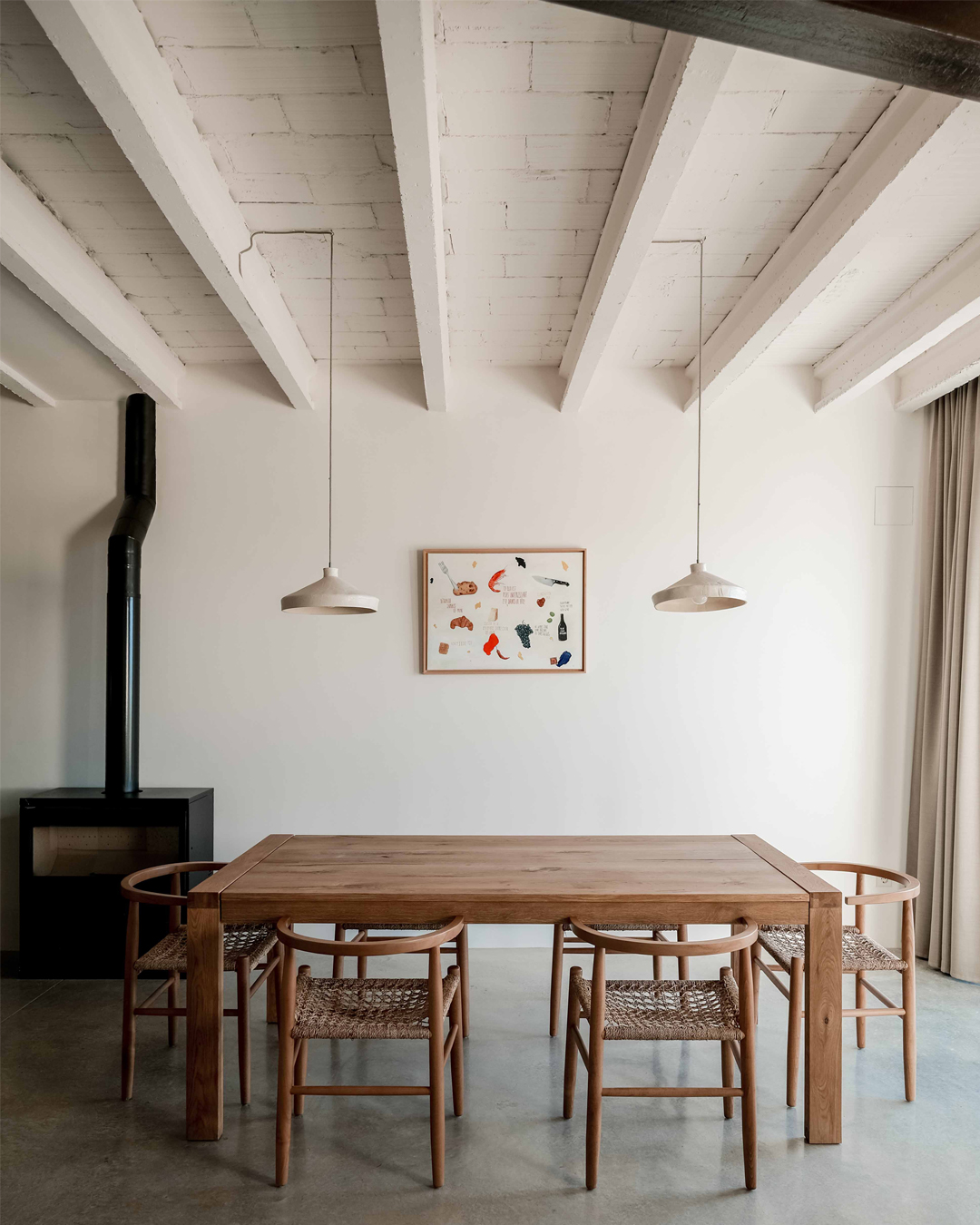
Each space establishes a balanced relationship between tradition and contemporary design. The architecture favors an open and flexible layout, where light, textures, and materials define the living experience. Tactile materials and natural finishes bring comfort and authenticity to the interiors.
The project incorporates a sustainability strategy based on passive systems and efficient technologies. The house integrates rainwater harvesting and reuse, SATE insulation finished with lime mortar, and an aerothermal system powered by photovoltaic energy that optimizes underfloor heating. These solutions reduce energy demand and improve interior comfort year-round.
The combination of heritage restoration, energy efficiency, and healthy materials results in a home that respects its surroundings and promotes a more conscious way of living. This project understands architecture as a tool for preserving the identity of rural environments and improving the quality of life for their inhabitants.