Bioclimatic design in buildings
By the technical team of Laboqueria Arquitectura, architects specializing in bioclimatic architecture and housing cooperatives in Catalonia since 2009
Architecture is undergoing a profound transformation. In a context marked by climate change, rising energy costs, and the need to rethink how we live, bioclimatic design is establishing itself as a key tool for creating healthier, more efficient spaces that are better connected to their surroundings.
In this article we explain how bioclimatic design is applied in real projects, both in the rehabilitation of existing buildings and in new construction, based on our experience in residential and community projects in Catalonia.
What is bioclimatic design and why is it key in current architecture?
Bioclimatic design involves creating buildings that intelligently utilize the local climate: solar orientation, natural light, ventilation, and surrounding vegetation. Bioclimatic architecture is not simply about reducing energy consumption; it’s about designing spaces that work in harmony with the climate, generating comfort without relying on artificial systems and promoting the health of their occupants.
Unlike a purely technological approach that solves comfort problems with more installations, the bioclimatic strategy focuses on the building’s form, its orientation, the thermal mass of its materials, and air management.
The result is a building that consumes less energy because it needs less, not because it has better equipment.
Bioclimatic architecture in existing buildings: what does a bioclimatic renovation really entail?
The bioclimatic rehabilitation of an existing building begins with understanding what made the original work: many buildings from before the 1970s were designed with cross-ventilation, high thermal mass walls, or interior courtyards that passively regulated the temperature. The problem is that decades of piecemeal renovations, such as enclosing courtyards, adding poorly designed insulation, and replacing windows and doors without considering their orientation, have broken that logic without replacing it with anything equivalent.
A well-executed bioclimatic rehabilitation involves several phases: analysis of existing orientation and shadows, audit of the actual thermal envelope (not the projected one), study of natural air flows, and diagnosis of the materials in use.
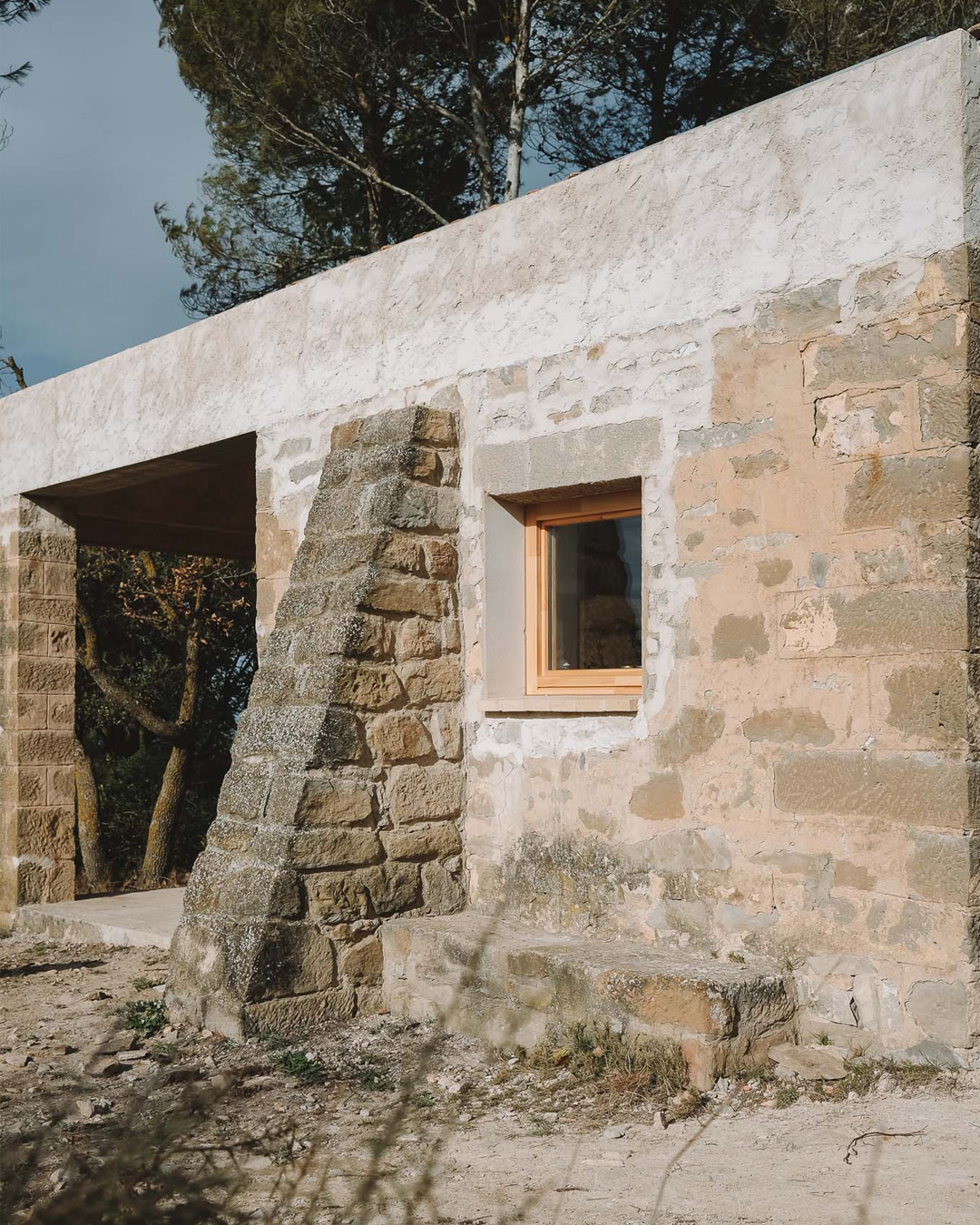
Only then is the intervention designed. In projects like the rehabilitation of the Country Cabin, we prioritize strategies such as the recovery of the original thermal inertia, natural cross ventilation, and the use of materials with low embodied energy.
This sequence matters because the common temptation (simply adding exterior insulation) can worsen ventilation, create new thermal bridges, or generate dampness problems that didn’t exist before. The order of decisions is part of the method.
Bioclimatic construction in new builds: the decisions that have the greatest impact
In new construction, the advantage of bioclimatic design is that it allows strategies to be integrated from the outset, when they are still relatively inexpensive. The most impactful decisions are not the most complex; they are the earliest.
In our experience, the five decisions that most influence the energy performance of a new building are:
The advantage of bioclimatic design is that it allows strategies to be integrated from the outset, when they are still inexpensive. The most impactful decisions are not the most complex; they are the earliest.In our experience, the five decisions that most influence the energy performance of a new building are:
- Orientation of the main facade and distribution of openings: determines how much sunlight enters in winter and how much heat accumulates in summer.
- Thermal mass of structural materials: a concrete or stone building regulates temperature differently than one made of wood or lightweight structures due to their difference in thermal inertia.
- Design of overhangs and solar shading: allow the low winter sun to pass through while blocking the high summer sun.
- Ventilation strategy: cross ventilation, chimney effect ventilation, or low-energy mechanical ventilation, depending on the local climate.
- Relationship with surrounding vegetation: deciduous trees to the south act as a passive climate control system that adapts naturally to seasonal changes.
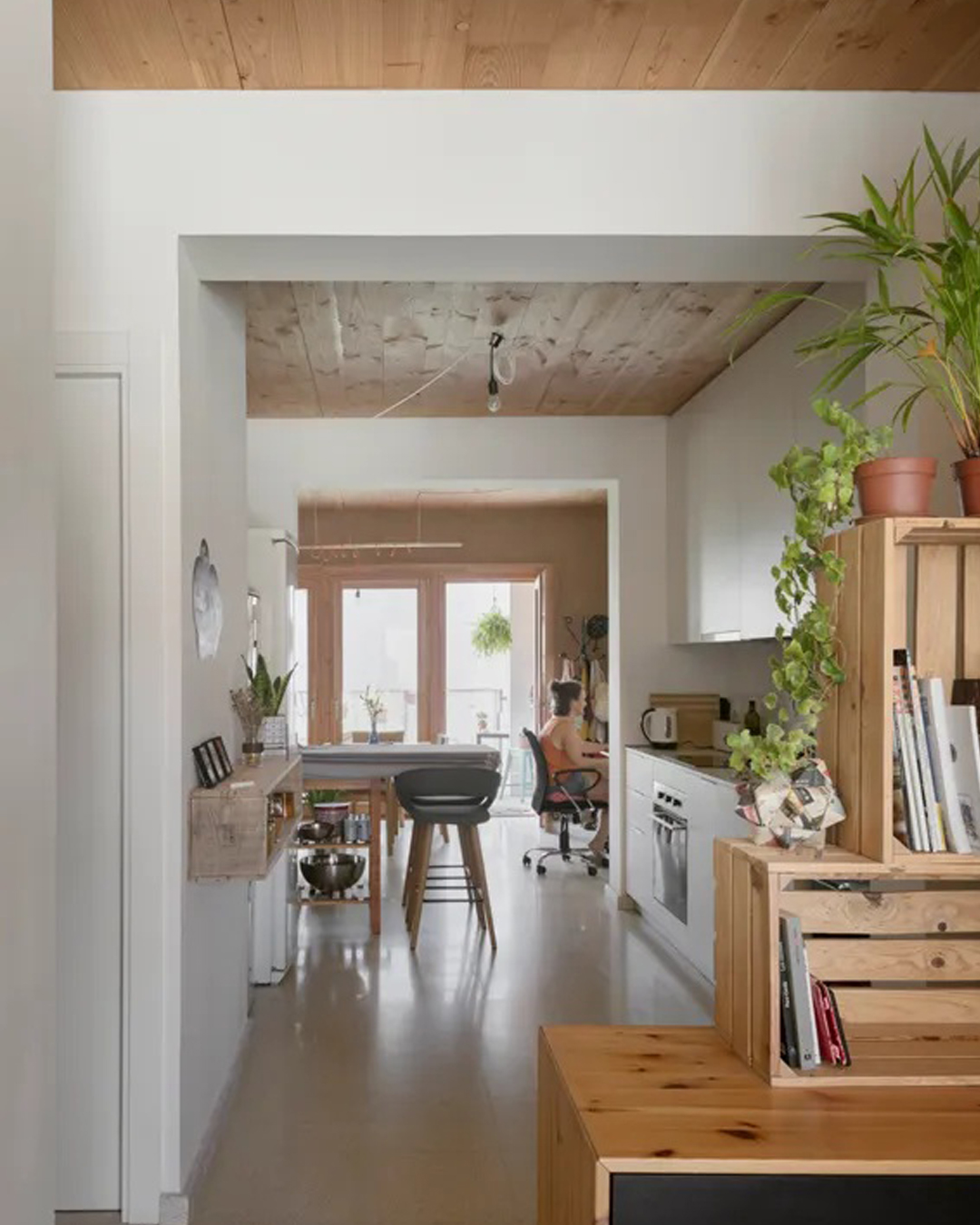
In projects like the La Balma Cooperative Housing, these decisions were made during the preliminary design phase with the entire user community involved. This allowed the bioclimatic strategy to be tailored to the actual lifestyles of the future residents.
The process as a tool: why participation improves bioclimatic outcomes
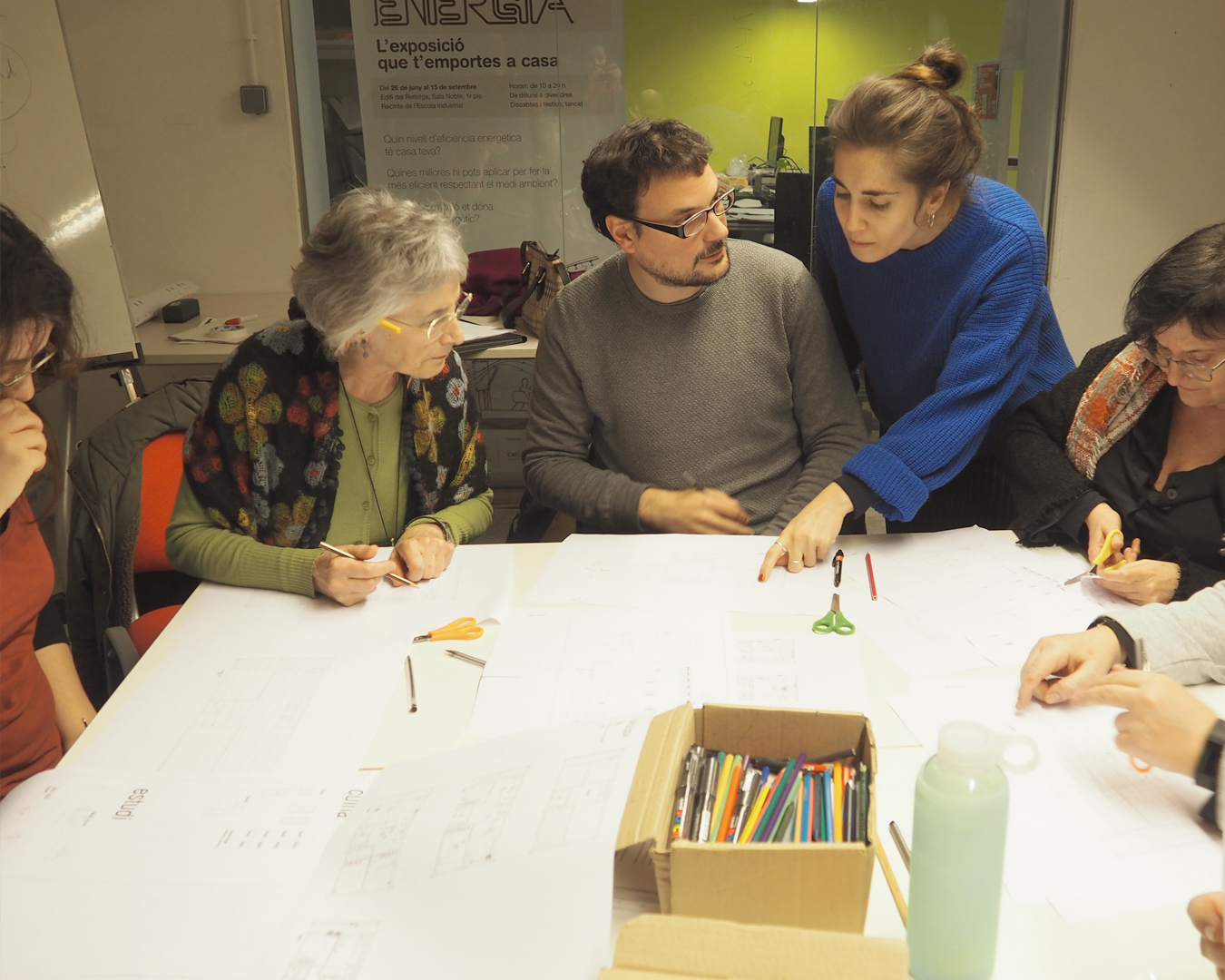
One of the challenges of bioclimatic design is that it relies on data that isn’t always included in the plans: how people actually use the space, what time they open the windows, whether they work from home, and how much they cook. These usage patterns directly affect ventilation design, thermal zoning, and solar gain strategy.
That’s why we integrate participatory processes into the design phase: not as a communication exercise, but as a source of input data for the project. The information we gather in workshops with users or organizations is technical information that influences project decisions.
Bioclimatic architecture and rural repopulation: the Catalan context
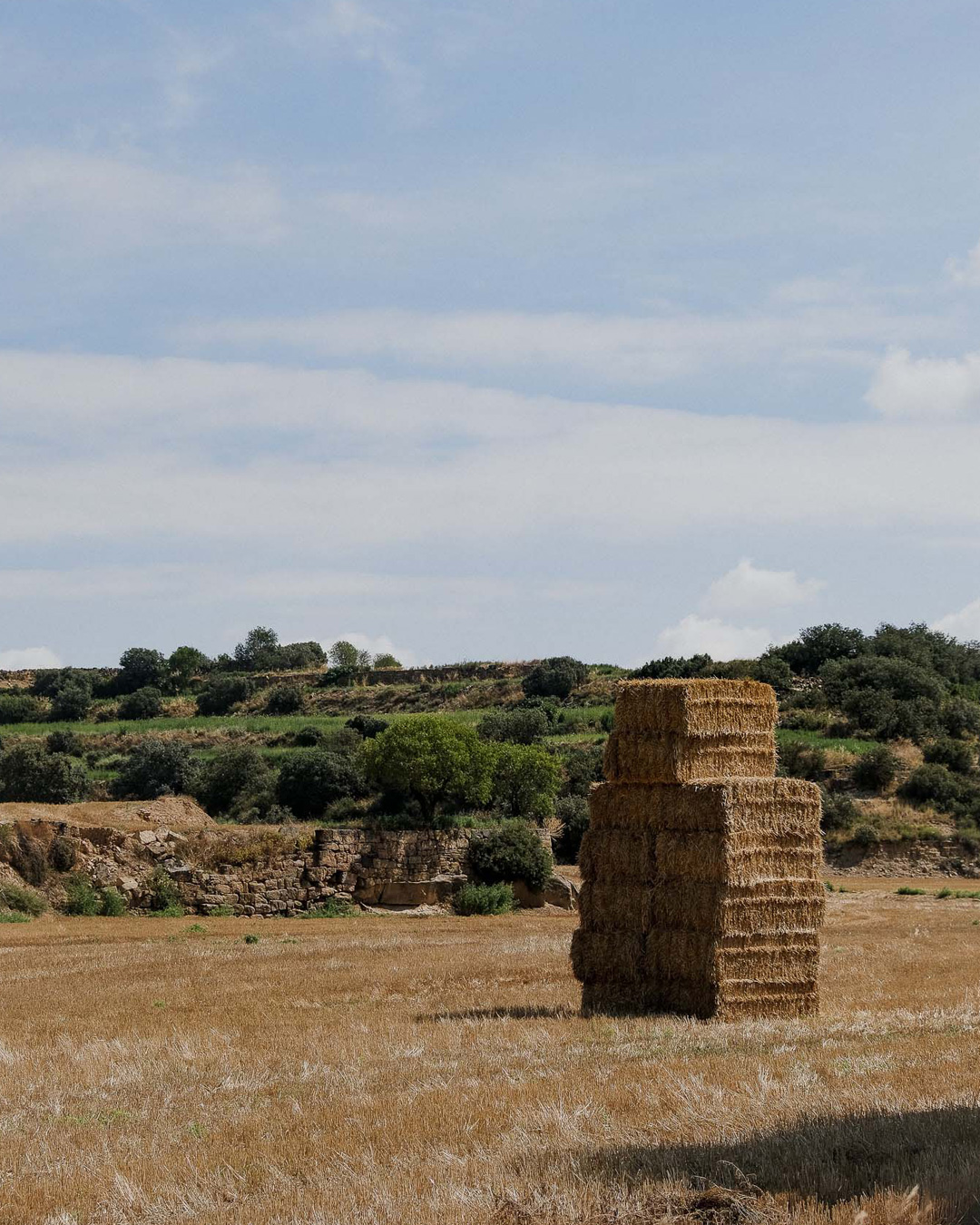
In rural areas of Catalonia experiencing active depopulation, bioclimatic architecture has an additional dimension: it reduces the long-term financial burden of home maintenance. A well-oriented house with good thermal insulation can have significantly lower energy bills than one built without these criteria, ultimately making rural living more economically viable.
In projects like Repoblem, this economic argument becomes part of the viability case to attract new residents: not only is landscape offered, but lower living costs thanks to an architecture that works with the climate instead of against it.
Education and research: why we keep learning
Bioclimatic design is not a static standard. Materials change, regulations evolve, and the climate changes too: what worked in the 1990s on the Catalan coast may not be sufficient for the summer conditions projected for 2040.
Bioclimatic design is not a static standard. Materials change, regulations evolve, and the climate itself evolves: what worked in the 1990s on the Catalan coast may not be sufficient for the summer conditions projected for 2040.
We participate in research and training initiatives, with academic collaborations and public programs, precisely so that our projects incorporate solutions that will remain effective in 20 or 30 years, not just today. The research we are developing in the Redó project, for example, explores material recirculation and usage patterns as active design variables.
If you're planning a project: what you should ask your architect
Before hiring any studio for a bioclimatic project (whether for renovation or new construction), there are some questions worth considering:
- Do you conduct an orientation and shading analysis before proposing the building envelope?
- How do you integrate the ventilation strategy from the preliminary design phase?
Do you have experience with low embodied energy materials in the local context? - How do you evaluate the actual energy performance of your completed projects?
If the studio can answer these questions with concrete examples, it’s likely that their bioclimatic approach is genuine and not just a marketing label.
If you would like us to analyze your specific case, you can contact us.