Cooperative architecture as social infrastructure
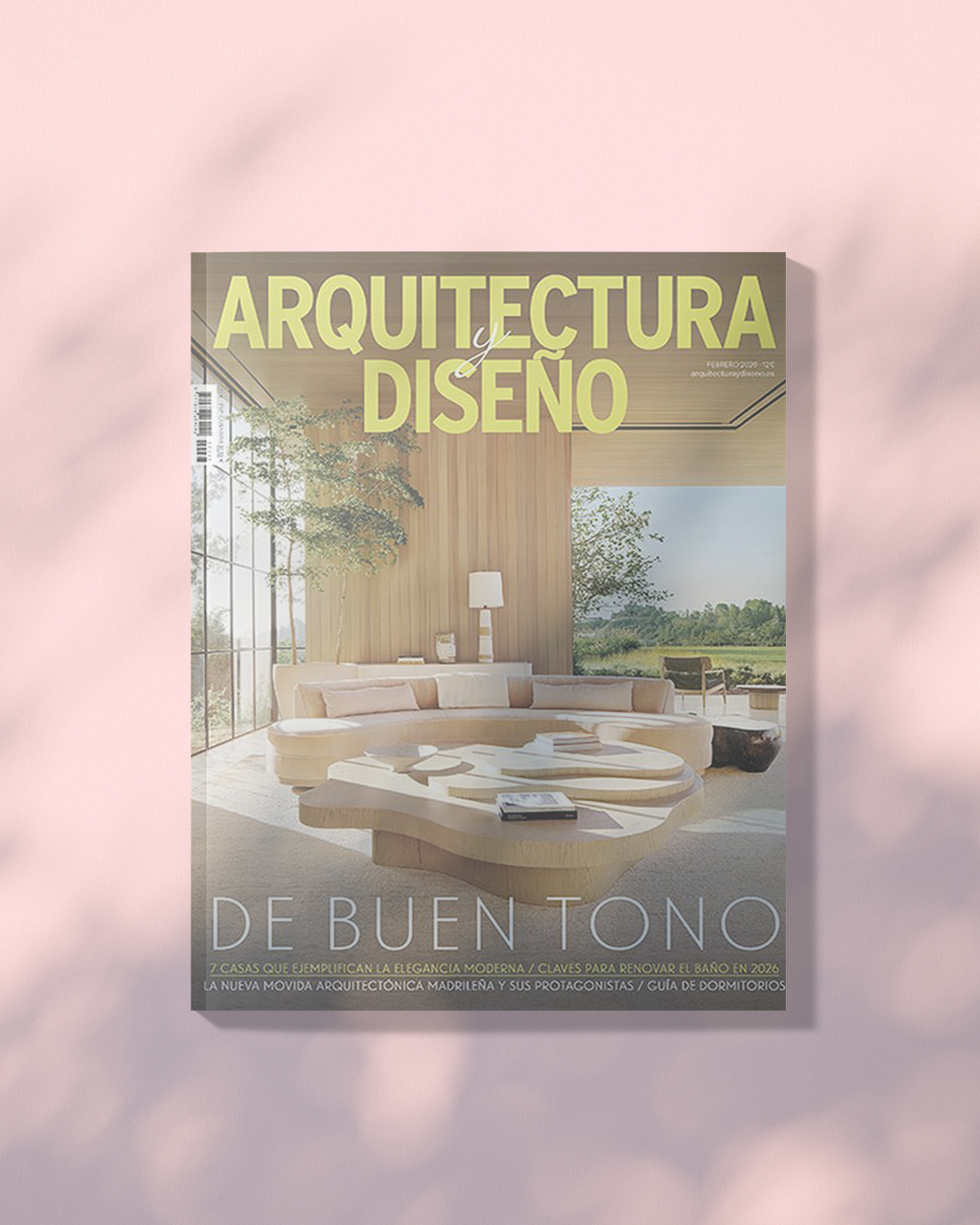
Recently, the magazine Arquitectura y Diseñohas published an interview with Ricard Grau, partner of Laboqueria Arquitectura, who invites us to reflect on a way of understanding architecture that goes much beyond form and aesthetics.
Based on the experience in cooperative housing projects in cession of use, the article focuses on the importance of thinking about buildings from everyday life, the diversity of uses, the cares and the community. A view that understands that every architectural decision is also a structural and social decision, capable of defining who has access to housing, how it is lived in and under what conditions
Architecture facing the housing crisis
In a context of persistent housing crisis, this approach is especially relevant. Placing people at the center, conceiving housing as a social infrastructure and moving away from the speculative logic of the market are some of the axes that cross the thinking and practice of Laboqueria Arquitectura.
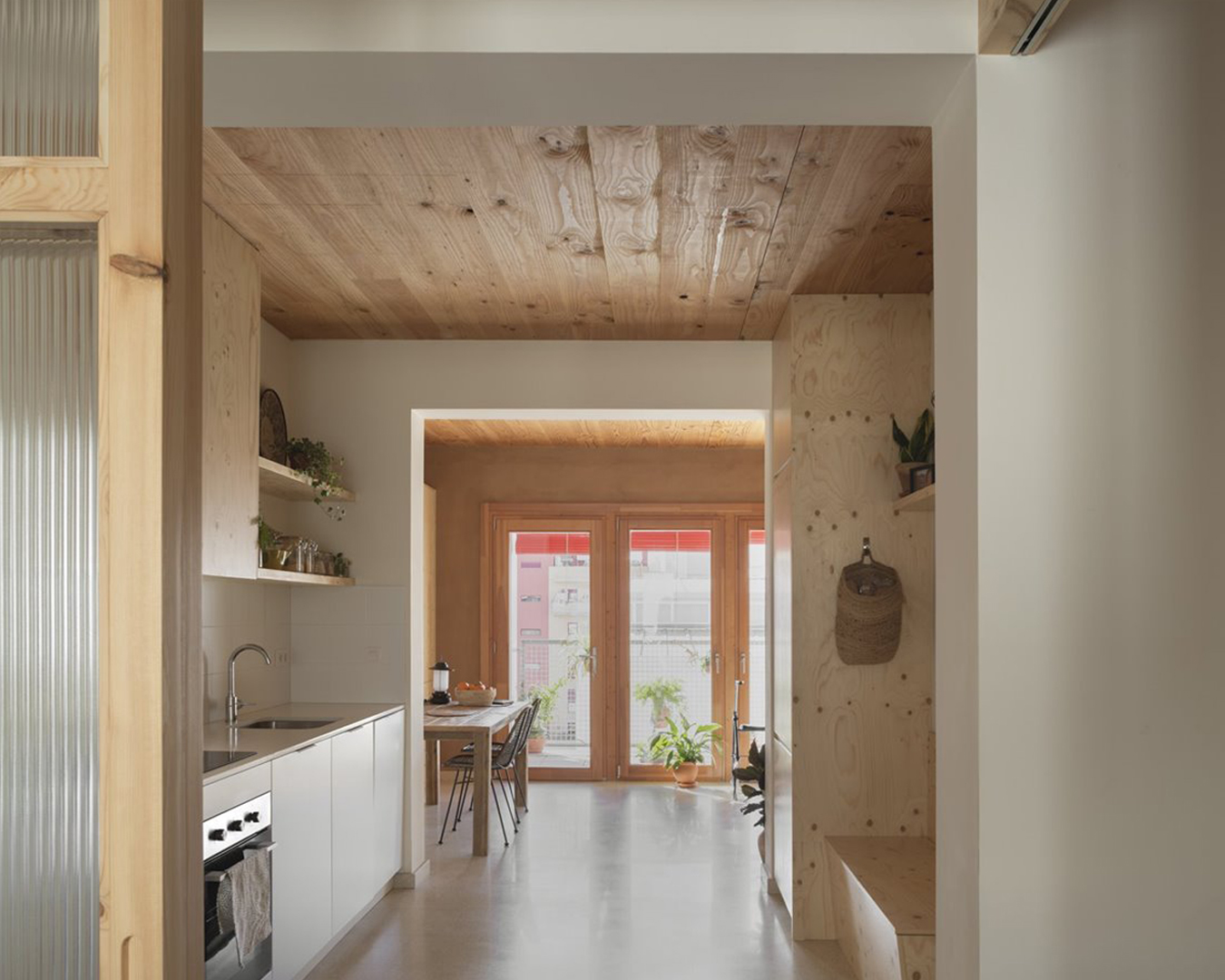
Projects like La Balma, developed by Laboqueria Arquitectura in conjunction with LaCol, exemplify how architecture can contribute to generating more resilient, responsible communities rooted in the territory. Spaces designed to encourage coexistence, self-management and a more conscious and collective way of living.
Commitment to real life
From Laboqueria Arquitectura we continue to increase our efforts, through collective work and cooperation, to promote dignified, sustainable housing models that are committed to real life. We believe in an architecture that listens, accompanies and responds to the social, environmental and economic needs of our environment.
You can read the full interview in Arquitectura y Diseño through the following link.